Wildlife Webcam Technology Transforms Nature Access for Remote Viewers
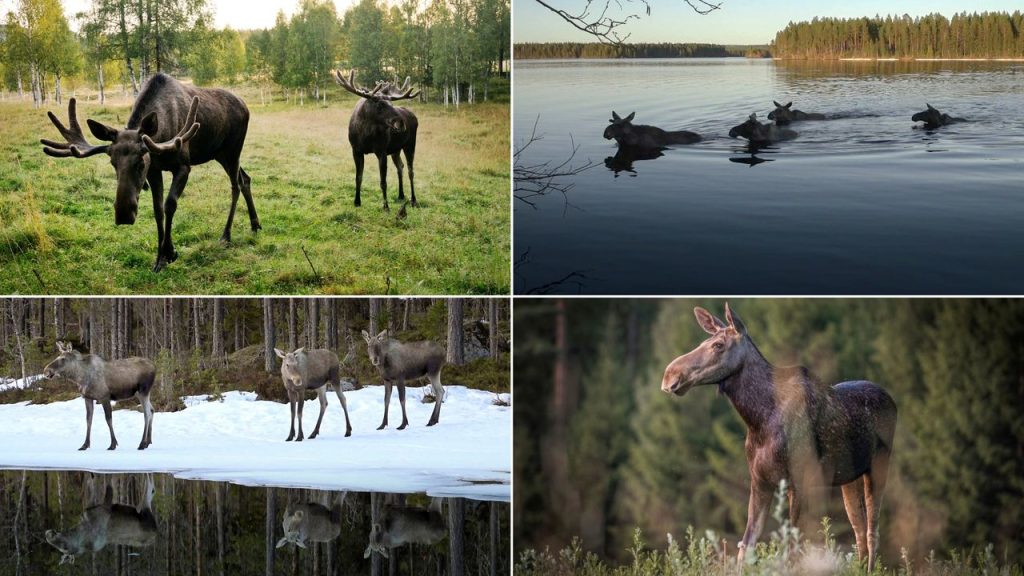
In an era where digital connectivity increasingly bridges physical distances, wildlife webcam technology has emerged as a fascinating solution for nature enthusiasts who can’t venture into remote wilderness areas. I believe this represents one of the most underrated technological developments of our time, offering genuine value to specific audiences while creating new forms of environmental engagement.
The Digital Window to Wilderness
Wildlife webcams positioned in remote locations now provide real-time access to natural habitats that would otherwise require expensive travel and considerable physical effort to reach. These streaming systems capture authentic animal behavior in undisturbed environments, delivering footage that often surpasses what visitors might observe during brief physical visits.
What strikes me most about this technology is its democratizing effect on wildlife observation. Previously, witnessing large mammals in their natural habitat was largely restricted to those with sufficient resources for travel or physical capability for wilderness hiking. Now, anyone with internet access can observe these magnificent creatures from their living room.
Who Benefits Most from Remote Wildlife Viewing
This technology particularly serves several distinct groups. Elderly individuals who can no longer undertake challenging outdoor excursions find tremendous value in maintaining their connection to nature through these digital windows. Similarly, people with mobility limitations gain access to experiences previously beyond their reach.
Educators and researchers also represent a key beneficiary group. Wildlife webcams provide consistent, long-term observation opportunities that support behavioral studies and classroom learning without the disruption that human presence typically causes in natural environments.
The Limitations Worth Acknowledging
However, I must emphasize that this technology isn’t for everyone, nor should it replace direct nature experiences entirely. Outdoor enthusiasts who thrive on physical challenge and the complete sensory experience of wilderness environments will find webcam viewing insufficient. The absence of fresh air, natural sounds, and the unpredictability of actual wildlife encounters creates a fundamentally different experience.
Young children, in particular, need hands-on nature experiences for proper development of environmental awareness and appreciation. While webcams can supplement their learning, they cannot replace the formative impact of direct outdoor exploration.
Technical Considerations and Future Potential
The streaming quality and reliability of these systems continue to improve, though viewers should expect occasional technical difficulties inherent in remote installations. Weather conditions, equipment maintenance, and internet connectivity in wilderness areas present ongoing challenges.
Looking ahead, I anticipate this technology will expand significantly, potentially incorporating interactive elements and educational programming that enhance the viewing experience. The integration of artificial intelligence for automated animal detection and behavior analysis could transform these systems from passive observation tools into active learning platforms.
For nature lovers seeking convenient wildlife access, this technology delivers remarkable value. However, it works best as a complement to, rather than replacement for, direct outdoor experiences. The key lies in understanding what you’re seeking from your nature connection and choosing the appropriate medium accordingly.