Ultra-Luxury Handbag Rentals Transform Access to Exclusive Designer Pieces
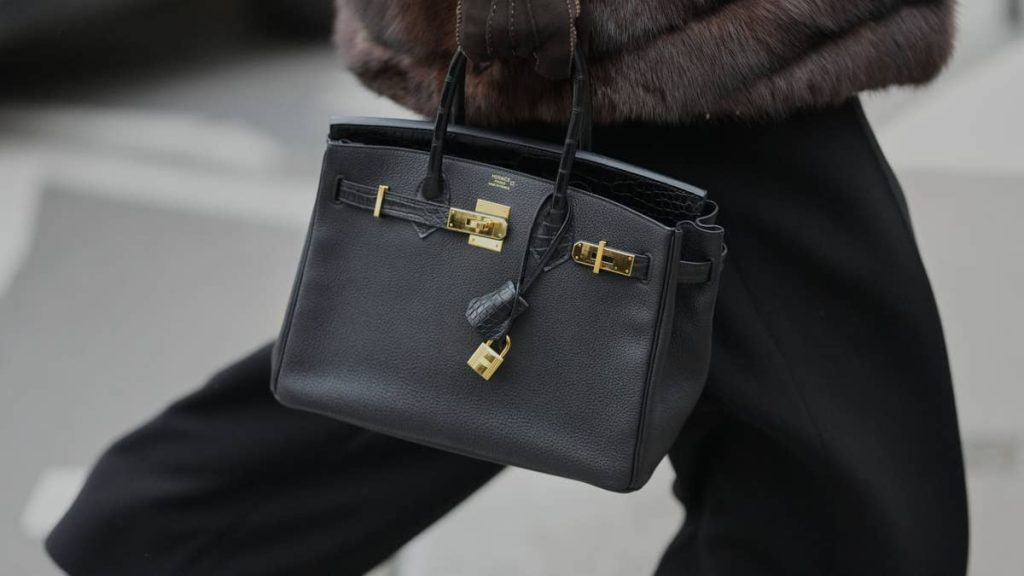
The luxury fashion rental market has reached a fascinating new milestone that I find both intriguing and somewhat troubling. A high-end rental platform has introduced an exclusive membership tier that allows subscribers to rent coveted Hermès Birkin bags and other ultra-luxury items for $800 monthly. This development represents a significant shift in how we access and consume luxury goods, though I question whether it truly democratizes luxury or simply creates new barriers.
This invite-only service extends beyond handbags to include rare jewelry and timepieces from prestigious houses like Van Cleef & Arpels, Bulgari, and Cartier. Members can exchange their items monthly or extend rental periods, with additional perks including dining and hospitality benefits. What strikes me most is how this model attempts to solve the exclusivity problem of luxury brands while simultaneously creating its own form of exclusivity.
I believe this concept will primarily appeal to affluent millennials and Gen Z consumers who prioritize experiences over ownership and want to project luxury status without the massive financial commitment. However, I’m skeptical about who this really serves. At $800 per month, this isn’t accessible to average consumers – it’s simply a different kind of luxury consumption for people who already have significant disposable income.
The platform’s approach to inventory acquisition is particularly noteworthy. They work with global curators and source from auction houses and resellers to build their collection of designer rarities. This strategy makes sense given the notorious difficulty of obtaining these items through traditional retail channels, where relationships with sales associates and purchase history often determine access.
What I find most compelling is the option for renters to purchase items they wish to keep permanently. This could genuinely benefit those who want to “try before they buy” with such expensive pieces. For someone considering a $10,000+ handbag purchase, spending a few months renting first seems remarkably practical, assuming the purchase price accounts for rental fees paid.
The exclusivity factor remains problematic in my view. Only existing members of the platform’s lower tiers can receive invitations, with selection criteria left entirely to company discretion. Once someone cancels their membership, there’s no guarantee of re-entry. This creates an artificial scarcity that mirrors the very exclusivity issues these rental models claim to address.
I see this trend as most valuable for fashion enthusiasts who genuinely appreciate craftsmanship and design but don’t want the commitment of ownership, or for professionals in image-conscious industries where luxury accessories serve as business tools. However, it’s definitely not for budget-conscious consumers or those who prefer to own their investments outright.
Ultimately, while this model expands access to ultra-luxury goods, it doesn’t truly democratize them – it simply creates a new tier of luxury consumption that remains out of reach for most people.