Ultra-Luxury Handbag Rentals Transform Access to Designer Exclusives
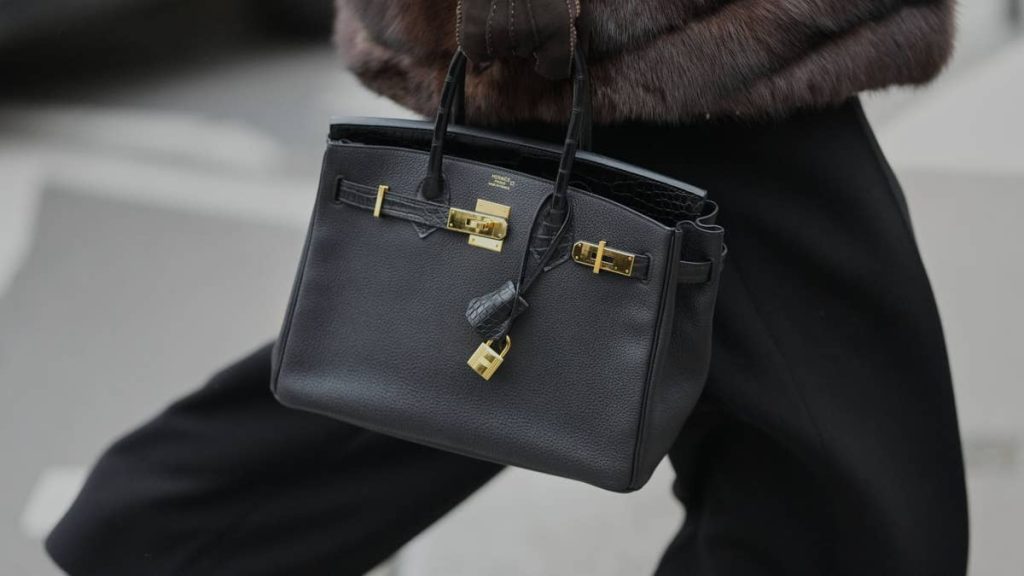
The luxury fashion rental market has taken a dramatic leap into ultra-premium territory, and frankly, it’s about time. A leading designer handbag rental platform has just unveiled an exclusive membership tier that puts some of the world’s most coveted accessories within reach of consumers who previously had no hope of accessing them.
For $800 monthly, subscribers to this invitation-only service can now rent legendary pieces like Birkin bags, Kelly handbags, and Constance purses, alongside rare jewelry and timepieces from prestigious houses like Van Cleef & Arpels, Bvlgari, and Cartier. Members can exchange their items every month or extend their rental period as desired. The service also includes premium dining and hospitality benefits.
I think this development represents a seismic shift in how we think about luxury consumption. The traditional gatekeeping model of ultra-luxury brands has always struck me as unnecessarily elitist. This rental approach democratizes access in a way that benefits almost everyone involved – except perhaps the brands themselves, who might see their exclusivity diluted.
Who benefits most from this model? Professional women who need to project success in high-stakes business environments, social media influencers building their personal brands, and fashion enthusiasts who appreciate craftsmanship but reject the idea of tying up tens of thousands of dollars in a single accessory. For these consumers, $800 monthly represents a fraction of what they’d pay to purchase these items outright.
However, this isn’t for everyone. Traditional luxury collectors who view these pieces as investments or family heirlooms will likely find the rental concept antithetical to their values. Similarly, those who prefer to own their accessories permanently might find the monthly commitment frustrating, especially since there’s no guarantee of accessing the same item repeatedly.
The company sources its inventory through a global network of curators, auction houses, and resellers – a complex operation that I believe will become increasingly challenging as demand grows. The scarcity that makes these items desirable also makes them difficult to acquire in sufficient quantities for a rental business.
What I find most intriguing is the option for renters to purchase items they fall in love with. This creates a unique try-before-you-buy scenario for luxury goods, potentially reducing buyer’s remorse on five-figure purchases. Though the purchase prices aren’t disclosed, members reportedly receive favorable pricing.
The invitation-only nature of this tier adds another layer of exclusivity, which seems somewhat contradictory to the democratization goal. Currently, only existing platform members can receive invitations, and qualification criteria remain at the company’s discretion. Once you’re out, there’s no guarantee of getting back in – a policy that strikes me as unnecessarily harsh but perhaps necessary to maintain the program’s exclusivity.
This model represents the future of luxury retail, in my opinion. Younger consumers increasingly value access over ownership, and sustainability concerns make the sharing economy more appealing than ever. While purists may resist, I believe we’ll see more ultra-luxury brands eventually embrace rental models as they recognize the revenue potential and brand exposure benefits.