The Psychology of Fan Speculation: Why Music Enthusiasts Create Their Own Release Timelines
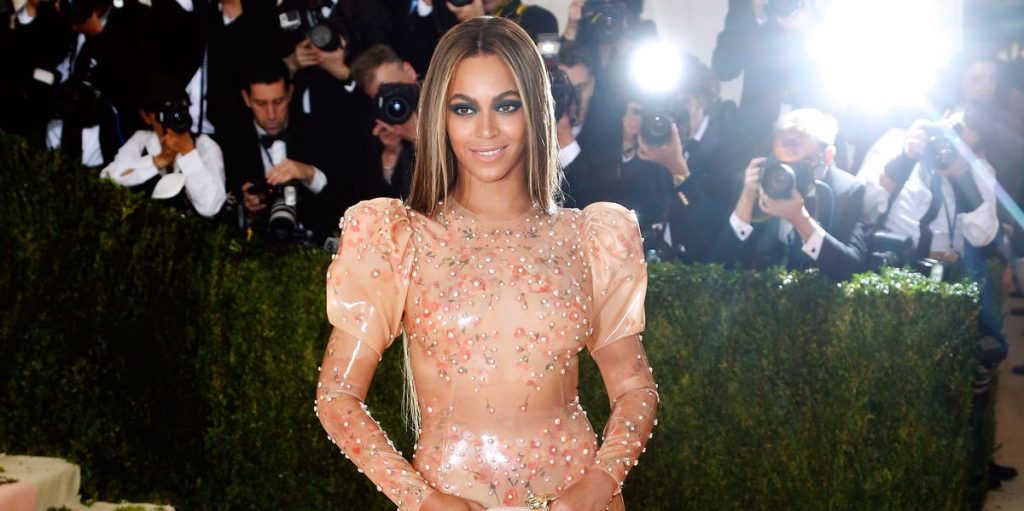
The phenomenon of fans attempting to predict their favorite artist’s next move has reached fascinating heights in the digital age, and I find myself both impressed and concerned by the lengths to which devoted followers will go to decode supposed hints and clues.
Recent events surrounding a major pop star’s potential third album release showcase this trend perfectly. Supporters have been dissecting social media posts, analyzing outfit colors, and connecting seemingly random visual elements to construct elaborate theories about upcoming projects. What’s particularly striking is how quickly these theories spread and gain traction, even when they’re based on the thinnest of evidence.
This behavior isn’t necessarily problematic for casual observers, but I believe it can become exhausting for those deeply invested in these speculation cycles. The constant analysis and anticipation can overshadow the actual enjoyment of existing music, turning fandom into a full-time detective job rather than a source of entertainment and connection.
The Social Media Clue-Hunting Culture
What fascinates me most about this trend is how fans transform ordinary social media activity into cryptic messaging systems. A purple outfit becomes a reference to Prince, three pieces of fruit become symbolic of a trilogy’s completion, and archival footage gets reinterpreted as hints about future collaborations.
This approach to fan engagement benefits those who enjoy puzzle-solving and community building—there’s genuine joy in participating in these collective detective efforts. However, it’s not for everyone, and I think it particularly doesn’t serve fans who prefer to experience art as it comes rather than constantly anticipating what’s next.
The recent debunking of specific timeline theories by official representatives demonstrates how these speculation cycles can spiral beyond reasonable bounds. When publicists feel compelled to issue direct denials, it suggests the rumor mill has moved from harmless fun into potentially problematic territory.
The Business of Anticipation
From an industry perspective, I believe this constant speculation serves multiple purposes, even when it’s not officially encouraged. It keeps artists in the public conversation between major releases and maintains engagement with their core fanbase. However, it also creates pressure and expectations that may not align with creative timelines or artistic vision.
The pattern of genre exploration—moving from dance to country music—that fans are analyzing represents a sophisticated understanding of artistic evolution. These followers aren’t just passive consumers; they’re actively engaging with the creative process and attempting to predict its direction based on established patterns.
Who Benefits from This Dynamic
This speculation culture works well for fans who thrive on community engagement and enjoy the social aspects of shared theorizing. It’s perfect for those who find entertainment value in the anticipation itself, not just the final product. Social media managers and entertainment journalists also benefit from the steady stream of content these theories generate.
However, this approach isn’t suitable for fans who prefer surprise releases or those who find constant anticipation stressful. It’s also not ideal for artists who work on irregular schedules or prefer to announce projects only when they’re completely ready.
The Reality Behind the Theories
What strikes me as most important in these situations is the vast difference between fan speculation and confirmed information. Currently, very little has been officially announced about any third installment in this particular trilogy, despite the elaborate theories circulating online.
This gap between speculation and reality highlights what I see as a fundamental challenge in modern fandom: the tendency to treat theories as facts and to build expectations based on interpretations rather than official statements. While creative analysis can be enjoyable, I believe fans serve themselves better by maintaining some skepticism about unconfirmed claims.
The truth is, artistic creation rarely follows the timelines that fans construct. Creative projects face delays, changes in direction, and various industry factors that make prediction nearly impossible. In my opinion, the most satisfying approach to following any artist is to appreciate their confirmed work while remaining open to surprises rather than locked into specific expectations.