The Lobster Pain Debate: Why Your Next Seafood Dinner Might Look Different
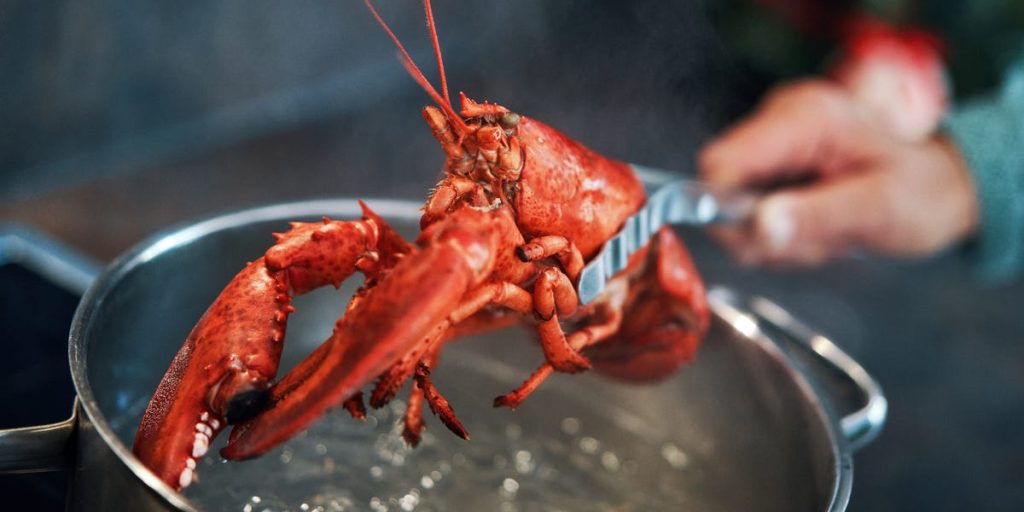
A groundbreaking Swedish research study has ignited a fierce debate about one of the culinary world’s most cherished traditions: boiling live lobsters. The findings suggest these crustaceans experience pain in ways remarkably similar to humans, challenging everything we thought we knew about seafood preparation. This isn’t just academic curiosity—it’s a development that could fundamentally reshape how restaurants and home cooks approach one of the ocean’s most expensive delicacies.
The research revealed that Norway lobsters exhibited clear pain responses when subjected to electric shocks, attempting to escape by rapidly flipping their tails. What makes this particularly compelling is that when researchers administered common painkillers beforehand, these escape behaviors significantly diminished or disappeared entirely. This suggests we’re not looking at mere reflexes, but genuine pain perception. The implications extend beyond lobsters to include crabs, shrimp, and crayfish—essentially reshaping our understanding of an entire category of seafood.
The Global Movement Toward Humane Practices
Several countries have already taken decisive action. Norway, New Zealand, Austria, and various Australian states have implemented outright bans on boiling live lobsters, while the United Kingdom has proposed similar legislation. I believe this trend will inevitably spread, and frankly, it should. The evidence is becoming too compelling to ignore, and the culinary industry has always adapted to new knowledge and changing ethical standards.
What strikes me most about this development is how it forces us to confront an uncomfortable truth: we’ve been potentially causing unnecessary suffering for the sake of culinary tradition. This matters tremendously for high-end restaurants that pride themselves on ethical sourcing and humane practices. For casual diners who simply want good food without ethical complications, this research creates a genuine dilemma.
Alternative Methods: The Good, The Bad, and The Practical
Professor Lynne Sneddon from the University of Gothenburg, one of the study’s key researchers, outlines several humane alternatives. The most effective method involves destroying the nervous system by inserting a knife between the eyes to eliminate part of the brain, then splitting the lobster to destroy the remaining nervous system. While this sounds brutal, it’s actually far more humane than prolonged boiling.
For restaurants with deeper pockets, tabletop electrical stunning machines offer another solution, rendering the animal unconscious before cooking. However, these devices represent a significant investment that many establishments may find prohibitive. Home cooks have the simplest option: placing lobsters in the freezer to shut down their nervous systems before cooking.
Here’s where I think the industry will split: high-end establishments will likely embrace these methods as part of their commitment to ethical dining, while budget-focused restaurants may resist due to cost and complexity concerns. The home cooking market will probably adapt quickly, since freezing requires no additional equipment.
The Quality Question That Chefs Can’t Ignore
The elephant in the room is texture and flavor. Chef Chris Valdes raises a crucial point about quality preservation—live cooking has always been the gold standard because lobster meat deteriorates rapidly after death. This presents a real challenge for perfectionist chefs who demand optimal texture and taste.
The freezing method, while accessible, can result in softer, less juicy meat. For casual dining, this might be acceptable, but for high-end restaurants charging premium prices, even slight texture changes could be problematic. I think this is where the industry will see the most resistance—not from ethical concerns, but from quality standards.
Interestingly, some experts suggest alternative techniques like inducing tonic immobilization by balancing lobsters on their heads and stroking between their eyes. While this sounds almost mystical, it represents the kind of creative problem-solving the culinary world excels at.
Who Wins and Who Loses in This Transition
This shift will benefit several groups significantly. Ethically conscious diners will finally have peace of mind when ordering lobster dishes. High-end restaurants that successfully implement humane methods could gain competitive advantages by appealing to increasingly conscious consumers. Equipment manufacturers specializing in stunning devices will likely see increased demand.
However, some segments will struggle. Budget restaurants operating on thin margins may find the additional prep time and potential equipment costs challenging. Traditional seafood establishments built around classic preparation methods may face customer confusion or resistance to change. Home cooks who lack confidence in new techniques might simply avoid lobster altogether.
The broader implications extend beyond individual businesses. Coastal communities dependent on lobster fishing might need to invest in new handling and processing equipment. Seafood distributors may need to modify their supply chains to accommodate different preparation requirements.
Ultimately, I believe this research represents necessary progress, even if it creates short-term disruptions. The culinary industry has always evolved, and this is simply the next step in that evolution. The question isn’t whether change will come, but how quickly the industry will adapt to meet both ethical standards and quality expectations. For consumers, this means potentially paying slightly more for lobster dishes while gaining the satisfaction of more humane dining choices.