Strategic Oil Infrastructure Under Fire as Middle East Tensions Escalate
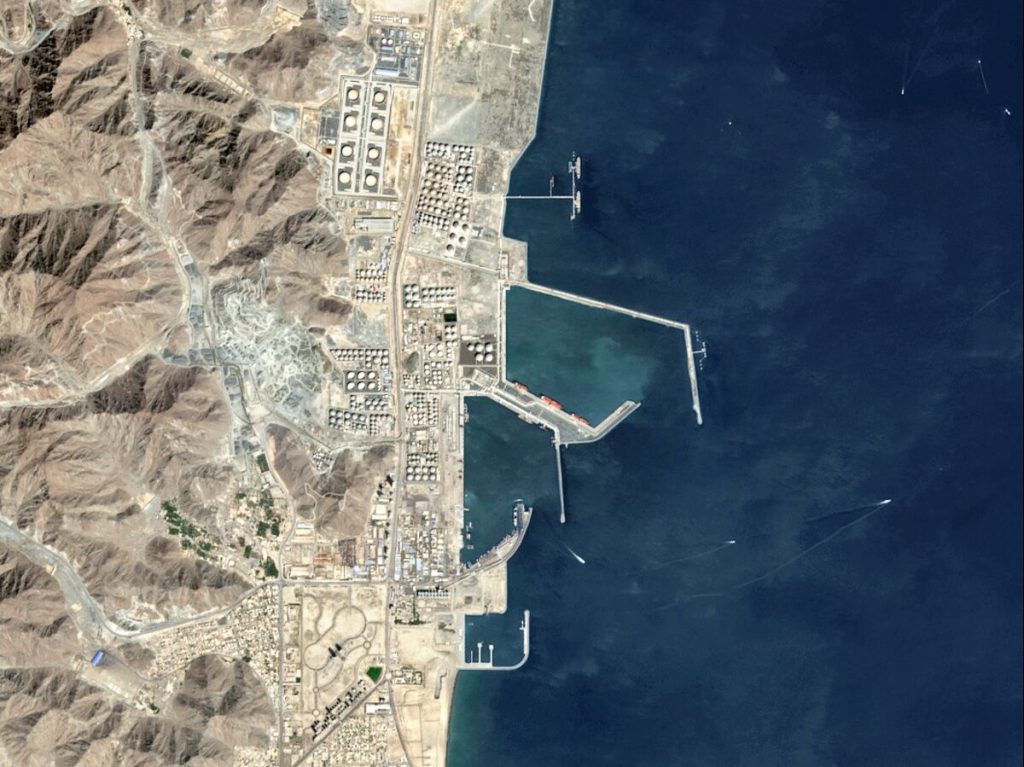
The oil storage facility operated by VTTI in Fujairah has become the latest target in a series of aerial strikes that have intensified concerns about energy security in one of the world’s most critical shipping corridors. This attack represents a troubling escalation that directly threatens global oil supply chains.
What strikes me most about this development is how it underscores the vulnerability of our interconnected energy infrastructure. The targeting of oil terminals isn’t just a regional security issue—it’s a global economic threat that should concern anyone who drives a car or heats their home.
The timing of these attacks is particularly significant, occurring in the strategic waters near the Strait of Hormuz, through which roughly one-fifth of the world’s petroleum liquids pass daily. For energy traders and commodity investors, this represents a clear risk premium that will likely be reflected in oil prices for the foreseeable future.
I believe this situation highlights a fundamental problem with our global energy dependence on politically unstable regions. While renewable energy advocates have long argued for diversification on environmental grounds, incidents like this make the economic case for energy independence even more compelling.
The broader implications extend beyond immediate price fluctuations. Shipping companies and insurance providers will inevitably reassess risk calculations for vessels transiting these waters, potentially leading to higher transportation costs that ultimately reach consumers worldwide.
For ordinary citizens, this serves as a stark reminder of how quickly geopolitical tensions can translate into real-world economic consequences. Those living in regions heavily dependent on imported energy will feel these impacts most acutely, while countries with diverse energy portfolios may weather such disruptions more effectively.
The international community’s response to these attacks will be crucial in determining whether such incidents become normalized or remain isolated events. In my view, the global economy simply cannot afford to treat critical energy infrastructure as acceptable military targets.