Revolutionary Vertical Storage Technique Transforms Kitchen Organization Overnight
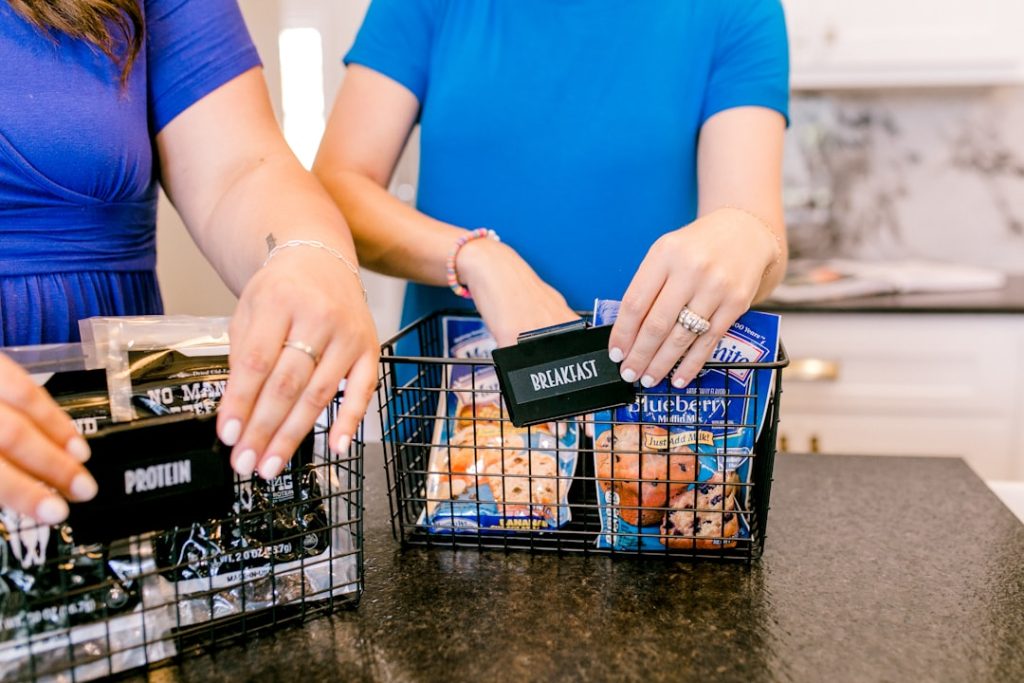
After years of struggling with cluttered kitchen cabinets and drawers that seemed perpetually overflowing, I stumbled upon a storage methodology that completely revolutionized my culinary workspace. This approach, which I believe should be mandatory knowledge for anyone serious about kitchen efficiency, centers on maximizing vertical space through strategic folding and stacking techniques.
The core principle involves transforming how we think about fabric storage in kitchen environments. Instead of the traditional method of laying towels, dishcloths, and linens flat in stacks, this technique employs a precise folding method that creates uniform, rectangular packages that can stand upright like books on a shelf.
Why This Method Works So Effectively
What makes this approach genuinely transformative is its mathematical efficiency. By folding items into compact, self-supporting rectangles, you can fit approximately three times more items in the same drawer or cabinet space. I think this is particularly valuable for urban dwellers and anyone working with limited kitchen real estate, though honestly, even those with spacious kitchens will appreciate the enhanced organization.

The technique works best with kitchen towels, dishcloths, cloth napkins, and similar textile items. However, I must point out that this method isn’t suitable for everyone. If you’re someone who frequently grabs kitchen linens in a hurry or prefers the convenience of simply pulling items from a traditional stack, you might find this system too rigid for your lifestyle.
Implementation Strategy
The folding process requires initial precision but becomes second nature with practice. Each item must be folded to identical dimensions, creating uniform packages that nest together seamlessly. I believe the key is establishing a consistent width measurement that fits your drawer dimensions perfectly.
What I find most compelling about this system is how it transforms chaotic storage areas into visually pleasing, highly functional spaces. You can instantly see every item at a glance, eliminating the frustrating excavation process that typically accompanies traditional stacking methods.

Who Benefits Most
This organizational approach is ideal for detail-oriented individuals who appreciate systematic solutions and don’t mind investing time in proper folding techniques. Professional chefs, avid home cooks, and anyone managing large quantities of kitchen textiles will find this method particularly valuable.
However, I think it’s important to acknowledge that families with young children or households where multiple people access kitchen linens might struggle to maintain this system’s precision requirements.
Long-term Impact
Beyond the immediate space-saving benefits, this storage method fundamentally changes how you interact with your kitchen environment. The enhanced visibility and accessibility of items reduces decision fatigue and streamlines cooking preparation processes.
In my opinion, the real magic lies not just in the space multiplication, but in the psychological impact of having a perfectly organized, visually coherent storage system that makes every kitchen task feel more manageable and professional.
Photo by Cabri Caldwell on Unsplash
Photo by Becca Tapert on Unsplash