Political Podcasting Takes Another Strange Turn with Latest Entry
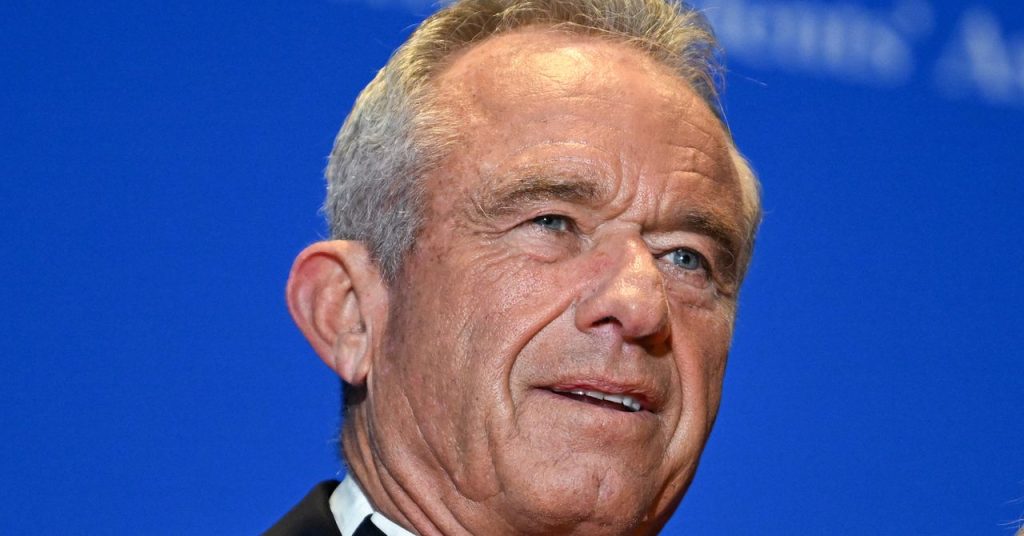
The podcasting landscape continues to evolve in unexpected directions, with political figures increasingly turning to this medium to reach audiences directly. This trend represents both an opportunity and a challenge for listeners seeking substantive political discourse.
What strikes me most about this development is how it reflects the broader fragmentation of media consumption. Political podcasts can serve as valuable platforms for in-depth discussions that traditional media formats often can’t accommodate. However, they also risk becoming echo chambers that reinforce existing beliefs rather than challenging listeners with new perspectives.
For political enthusiasts and those seeking alternative viewpoints, these podcasts offer unfiltered access to political figures’ thoughts and reasoning processes. The format allows for longer-form conversations that can reveal nuances often lost in sound bites and headlines. This is particularly valuable for voters who want to understand the full scope of a politician’s positions.
On the other hand, casual news consumers might find these productions overwhelming or too niche for their needs. The lack of editorial oversight that makes podcasts appealing to creators can also make them problematic for listeners who prefer fact-checked, professionally moderated content.
What concerns me most is the potential for these platforms to spread misinformation without the traditional gatekeeping mechanisms of established media. While direct communication between politicians and citizens can be beneficial, it also requires listeners to be more discerning consumers of information.
The real beneficiaries of this trend are likely to be:
- Political activists seeking deeper engagement with their preferred candidates
- Researchers and journalists looking for primary source material
- Citizens who feel underserved by mainstream media coverage
Those who might find less value include:
- Busy professionals seeking quick, reliable news updates
- Voters who prefer balanced, multi-perspective coverage
- Anyone uncomfortable with unmoderated political content
Ultimately, I believe this represents a natural evolution in political communication, but one that requires consumers to approach with both open minds and critical thinking skills.