Meta CEO Seeks to Avoid Personal Court Appearances in Massive Social Media Litigation Wave
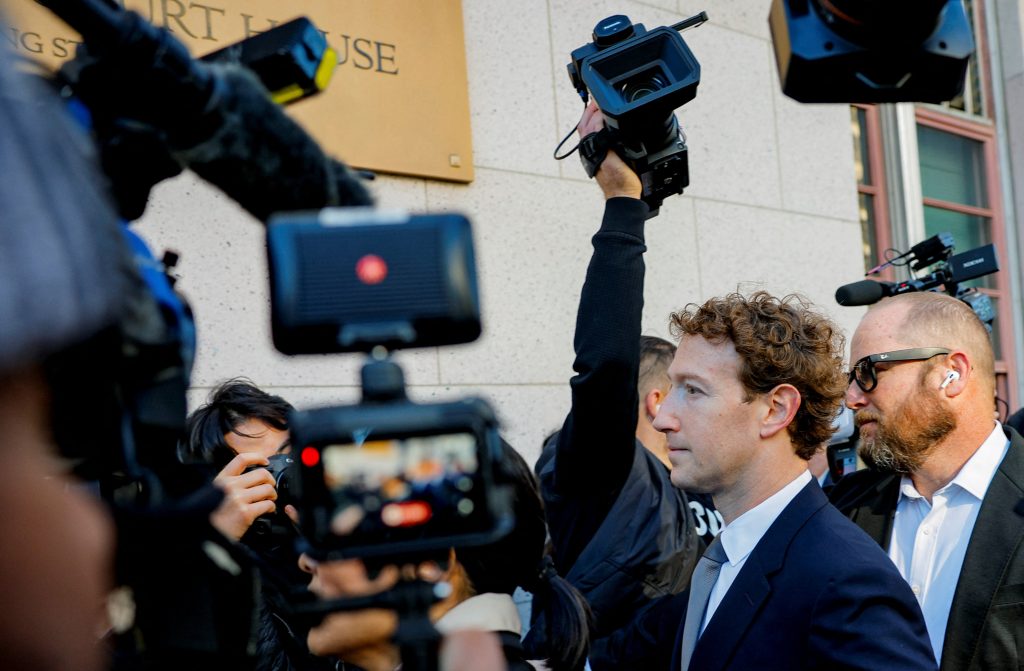
The social media giant’s chief executive is attempting to sidestep direct testimony requirements as the company faces an unprecedented legal challenge this summer. What we’re witnessing here is a strategic legal maneuver that speaks volumes about how tech executives view their accountability to the public.
I believe this approach reveals a troubling pattern among Silicon Valley leaders who seem to think they can engineer their way out of facing real consequences. When you’re running a platform that affects billions of users daily, especially young people, you should be willing to stand up and answer questions directly.
The Legal Battleground Takes Shape
The upcoming California federal court proceedings represent a consolidation of over 2,400 separate lawsuits into what legal experts call “bellwether” cases. This multidistrict litigation strategy aims to create manageable test cases that could set precedents for the thousands of remaining claims.
The plaintiffs include school districts grappling with student mental health crises, state attorneys general protecting their constituents, and individual families who’ve suffered real harm. This diverse coalition suggests the issues at stake go far beyond typical corporate disputes – they touch the very fabric of our society.
Who Really Benefits From Executive Evasion?
In my view, attempts to avoid personal testimony primarily serve the interests of corporate legal teams and shareholders who want to minimize reputational damage. The strategy makes sense from a business perspective, but it’s deeply problematic from a public accountability standpoint.
This matters most for parents, educators, and young people who deserve direct answers about platform design decisions that may have contributed to rising anxiety, depression, and self-harm among teenagers. These aren’t abstract policy questions – they’re about real families dealing with real trauma.
The Broader Implications
What concerns me most is how this legal maneuvering reflects a broader Silicon Valley culture that prioritizes technical innovation over human consequences. When platform executives avoid direct questioning, they’re essentially saying their time is more valuable than the suffering of the people affected by their products.
The bellwether approach, while legally efficient, also means that a handful of cases will likely determine outcomes for thousands of families. This consolidation benefits the tech companies by limiting their exposure and legal costs, but it may not serve justice for individual plaintiffs who deserve their day in court.
For investors and industry observers, these proceedings will likely set important precedents about executive accountability in the digital age. The outcomes could reshape how social media companies operate and how their leaders engage with regulatory oversight moving forward.