Market Forces Should Decide Airline Survival, Not Government Bailouts
Why Propping Up Failing Airlines Hurts Competition
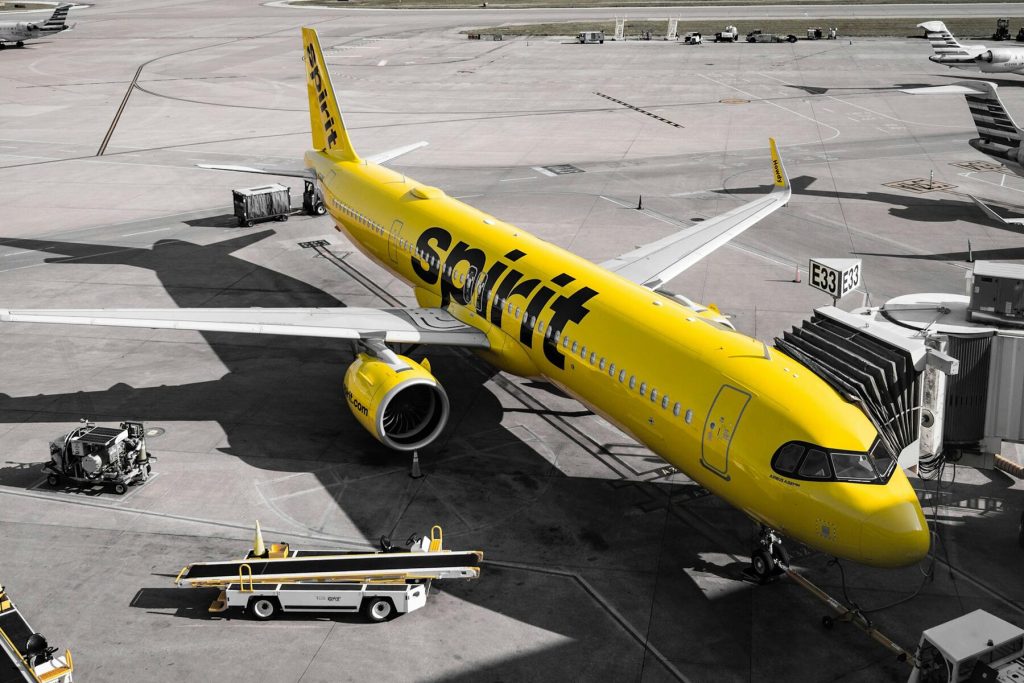
The aviation industry is buzzing with discussions about potential government intervention to save struggling ultra-low-cost carriers. While airline failures create immediate disruption for passengers and employees, I believe government bailouts of individual carriers fundamentally undermines the competitive market principles that have made air travel accessible to millions of Americans.
This isn’t just about one airline’s financial troubles—it’s about whether we trust market mechanisms or government intervention to determine which businesses succeed. Having covered the aviation industry for years, I’m convinced that allowing natural market selection serves travelers better in the long run than artificially preserving failed business models.
The Reality of Airline Failures in America
Major airline shutdowns remain exceptionally rare in the United States. The last significant wave occurred in 2008 when three carriers—ATA Airlines, Aloha Airlines, and SkyBus—ceased operations within days of each other during the financial crisis. Before that, you’d have to go back to the early 1990s recession and post-9/11 period to find comparable failures.
What’s more common, and arguably more damaging to competition, are mergers that gradually consolidate the industry. While dramatic airline shutdowns grab headlines, the slow strangulation of competition through consolidation has been far more consequential for travelers. The industry has transformed from having dozens of independent carriers to being dominated by just four major airlines controlling nearly 80% of domestic traffic.
Government Intervention: A Dangerous Precedent
The current situation represents something unprecedented—targeted government ownership of a specific struggling carrier rather than industry-wide support during crises. This selective intervention troubles me because it picks winners and losers based on political considerations rather than market performance.
Previous government support programs, whether after 9/11 or during the pandemic, applied broadly across the industry during extraordinary circumstances. Singling out one poorly managed carrier for special treatment sets a dangerous precedent that rewards failure while penalizing well-run competitors.
Why Airline Failures Actually Benefit the Market
Counterintuitively, airline failures often strengthen the aviation ecosystem more than mergers do. When carriers shut down, their valuable assets—aircraft, airport slots, facilities—become available to competitors who can deploy them more efficiently. This creates opportunities for new entrants and allows existing airlines to expand service in underserved markets.
The employees of failed carriers frequently become entrepreneurs themselves, founding new airlines with fresh perspectives and innovative approaches. Many successful carriers, including several low-cost pioneers, were started by former employees of defunct airlines who learned from their previous employers’ mistakes.
Compare this to mergers, which often result in reduced competition, higher fares, and eliminated routes as the acquiring airline rationalizes overlapping services. The consolidation we’ve witnessed over the past two decades has demonstrably reduced competition and choice for travelers.
Market Forces Drive Innovation
The ultra-low-cost model that’s now struggling was once revolutionary, forcing legacy carriers to adapt and offer competitive products. But markets evolve, and business models that can’t adapt deserve to fail. Other airlines have successfully countered the ultra-low-cost approach by offering basic economy fares while maintaining superior operational reliability and customer service.
This is exactly how competitive markets should function—successful companies learn from their competitors’ innovations while avoiding their mistakes. Government intervention to preserve failed models prevents this natural selection process that ultimately benefits consumers.
Who Benefits from Bailouts vs. Market Solutions
Government bailouts primarily benefit airline executives, shareholders, and politicians who can claim they “saved jobs.” But they harm taxpayers who fund these interventions, competitors who’ve managed their businesses responsibly, and ultimately consumers who face reduced competition.
Market-based solutions, while initially disruptive, benefit the broader traveling public through increased competition, innovation, and more efficient resource allocation. New airlines emerging from the ashes of failed carriers often offer better service, lower costs, or innovative approaches that established carriers wouldn’t risk.
The deregulation of airlines in 1978 was based on the principle that free markets, not government planners, should determine airline success. That policy has delivered remarkable results—air travel has become accessible to virtually all Americans, with inflation-adjusted fares dropping 40-50% since deregulation.
The Path Forward
Rather than intervening to save failing airlines, policymakers should focus on maintaining competitive markets through antitrust enforcement and removing barriers to new entrants. The aviation industry has proven remarkably resilient, consistently replacing failed carriers with new competitors when market forces are allowed to operate.
I believe the government’s role should be ensuring fair competition, not picking which competitors survive. The current consolidation of the airline industry into four dominant carriers should concern regulators far more than the potential failure of a single poorly managed airline.
Allowing market forces to determine airline survival isn’t callous—it’s the mechanism that has made air travel affordable and accessible to millions of Americans. Government intervention to preserve failed business models ultimately serves no one except those who profited from the failure in the first place.