Major Frozen Pizza Recall Hits Popular Grocery Chains Over Salmonella Contamination Fears
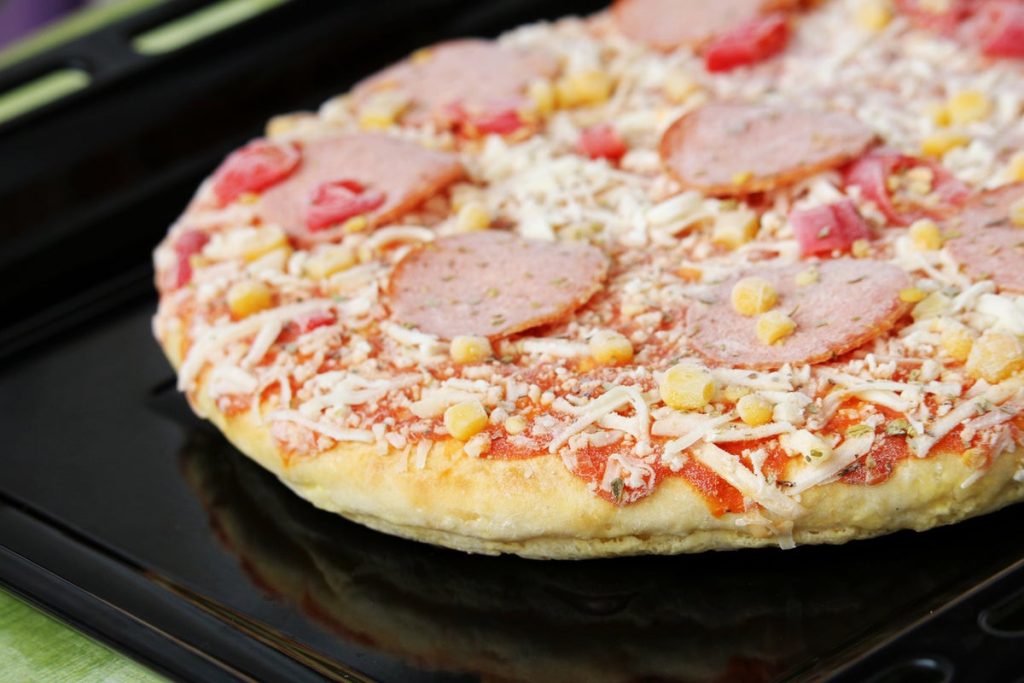
A significant food safety alert has been issued for multiple frozen pizza brands distributed through major retail chains, highlighting once again the vulnerabilities in our food supply system. The recall stems from contaminated dry milk powder that found its way into various frozen food products, creating a potential health hazard for millions of consumers.
The U.S. Department of Agriculture’s Food Safety and Inspection Service announced the recall on Thursday, targeting products containing dairy ingredients that may harbor salmonella bacteria. This development underscores what I believe is a growing concern about ingredient sourcing and quality control in mass-produced frozen foods.
Which Products Are Affected
The recall encompasses several popular frozen pizza varieties sold at major grocery retailers. Mama Cozzi’s breakfast pizza products, including their Biscuit Crust Sausage & Cheese variety and a more complex breakfast pizza featuring pork belly crumbles and bacon, were distributed nationwide through discount grocery stores.
Additionally, three Great Value pizza variants – all featuring chicken bacon ranch flavoring in different crust styles including thin crust, ultra-thin, and stuffed crust options – have been pulled from shelves at major retail locations across the country.
The recall extends beyond pizza to include Culinary Circle’s ultra-thin crust chicken bacon ranch pizza and certain flavored pork rind products from Pork King, demonstrating the widespread reach of the contaminated ingredient.
Understanding the Health Risk
While no confirmed illnesses have been reported yet, the potential for salmonella infection represents a serious health concern that consumers should take seriously. In my opinion, the “no confirmed cases” statement shouldn’t provide false reassurance – salmonella can cause severe complications, particularly for vulnerable populations.
Symptoms typically emerge within 12 to 72 hours after consuming contaminated products and can include diarrhea, fever, and abdominal cramping. Most cases resolve within a week without medical intervention, but severe infections can lead to dangerous complications including high fever, neurological symptoms, and blood-related issues.
I believe this recall is particularly concerning for families with young children, elderly members, or anyone with compromised immune systems, as these groups face higher risks of severe complications from foodborne illnesses.
Consumer Action Required
Food safety officials are urging immediate action from consumers who may have purchased these products. Anyone with recalled items should discard them immediately or return them to their place of purchase for a full refund. I strongly recommend checking your freezer against the official recall list, which includes specific production dates, lot codes, and establishment numbers for identification.
What troubles me about this situation is that additional products containing the contaminated milk powder are expected to be identified and recalled, suggesting the scope of contamination may be broader than initially apparent.
Pattern of Recent Food Safety Issues
This recall represents part of a troubling trend in food safety incidents over recent months. Similar salmonella concerns have affected various products, from premium hot cocoa mixes to prepared meal kits sold through warehouse retailers.
In my view, these recurring incidents highlight systemic issues in ingredient sourcing and quality control across the food industry. The fact that a single contaminated ingredient can affect multiple product lines across different brands and retailers demonstrates the interconnected nature of modern food production – and its vulnerabilities.
For consumers, this pattern suggests the importance of staying informed about food recalls and maintaining awareness of potential risks, even with products from trusted retailers. While the food safety system generally works well, these incidents remind us that vigilance remains necessary when it comes to what we feed our families.