Gaming Giant Agrees to $7.8 Million Settlement Over Digital Store Monopoly Claims
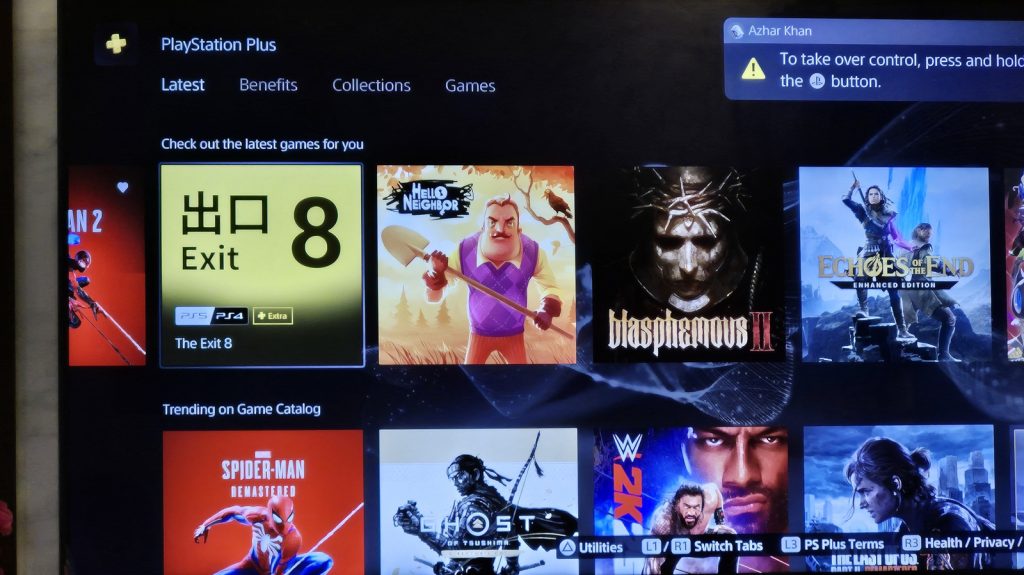
A major console manufacturer has reached a significant settlement agreement worth $7.85 million to resolve allegations that it stifled competition in the digital gaming marketplace. This development represents a fascinating case study in how platform holders can face legal consequences when their business practices cross the line from strategic positioning to anticompetitive behavior.
The class action lawsuit, which originated in May 2021, centered on claims that the company eliminated third-party game vouchers in April 2019, effectively forcing consumers to purchase digital titles exclusively through its proprietary storefront. What makes this particularly interesting is how it highlights the tension between platform control and consumer choice in the digital age.
The Mechanics of Digital Market Control
I find this case compelling because it demonstrates how subtle policy changes can have massive market implications. When the gaming company discontinued game-specific vouchers that retailers like Best Buy and GameStop could sell, it wasn’t just a business decision – it was a fundamental shift in how digital games reach consumers. This move essentially eliminated price competition that could have benefited gamers through lower costs.
The settlement covers purchases made between April 2019 and December 2023, affecting over 4.4 million gaming accounts. Popular titles included in the settlement range from acclaimed narrative adventures to sports franchises and racing games, showing the broad scope of impact on the gaming community.
Who Benefits and Who Doesn’t
This settlement primarily benefits casual and frequent digital game purchasers who made qualifying purchases during the specified timeframe. However, I believe the real winners here are consumers who value competitive pricing and market choice. The settlement sends a clear message that even dominant platform holders cannot completely eliminate competition without facing consequences.
On the flip side, this case probably won’t significantly impact gamers who primarily purchase physical copies or those who weren’t active digital buyers during the relevant period. The individual payouts, while meaningful collectively, may not be substantial enough to dramatically change purchasing behavior for most consumers.
Broader Industry Implications
What’s particularly noteworthy is that this isn’t an isolated incident. A separate but related legal challenge in the United Kingdom could result in damages up to $2.7 billion, suggesting that regulatory scrutiny of digital marketplace practices is intensifying globally. This pattern indicates that courts are becoming increasingly willing to challenge what they perceive as monopolistic behavior in digital ecosystems.
From my perspective, this case represents a crucial moment for the gaming industry. Platform holders have legitimate interests in controlling their ecosystems, but they must balance this against fair competition principles. The settlement suggests that completely eliminating third-party sales channels may cross legal boundaries, even when done through a company’s own platform.
The final approval hearing scheduled for October 15 will determine the exact allocation methodology, but the preliminary approval already signals that courts are taking these digital marketplace competition issues seriously. For the gaming industry, this settlement may prompt other platform holders to reconsider their own digital distribution strategies to avoid similar legal challenges.