Electric Vehicle Manufacturer Reaches 10 Billion Mile Autonomous Driving Milestone
The autonomous vehicle industry has reached another significant milestone, with one major electric vehicle manufacturer announcing that its fleet has collectively driven over 10 billion miles using advanced driver assistance technology. This achievement marks what the company’s leadership previously described as the threshold for “safe unsupervised” autonomous driving capabilities.
However, I believe this milestone represents more marketing theater than genuine progress toward fully autonomous vehicles. Despite crossing this arbitrary numerical threshold, the reality remains unchanged: these vehicles still require constant human supervision and operate as Level 2 driver assistance systems, not true self-driving cars.
The Gap Between Promise and Reality
What strikes me as particularly concerning is the disconnect between corporate messaging and actual capability. Earlier this year, company executives suggested that reaching 10 billion training miles would enable the transition to unsupervised autonomous operation. Yet vehicle owners did not wake up to find their cars magically transformed into fully autonomous machines.
This pattern of moving goalposts should matter to investors, consumers, and regulators alike. The repeated promises followed by delayed delivery dates create unrealistic expectations and potentially mislead stakeholders about the true state of autonomous vehicle technology.
Legal Liability Remains the Elephant in the Room
The most significant obstacle to true autonomous driving isn’t technological—it’s legal responsibility. Currently, when accidents occur involving these semi-autonomous systems, liability typically falls on the human driver, not the manufacturer. This arrangement works for supervised systems but becomes problematic for truly unsupervised operation.
I think this liability question is precisely why we haven’t seen the promised transition to unsupervised driving despite reaching the stated milestone. No manufacturer wants to assume legal responsibility for millions of vehicles operating without human oversight, especially given the hundreds of crashes and dozens of fatalities already associated with current driver assistance systems.
Who Benefits from This Milestone?
This achievement primarily benefits the company’s marketing efforts and stock valuation rather than everyday consumers. Early adopters and technology enthusiasts who purchased vehicles expecting rapid progress toward full autonomy may feel vindicated by the milestone, but they’re still left with the same supervised system they started with.
Conversely, safety advocates and skeptical consumers who questioned the aggressive timelines for autonomous driving deployment will likely see this as validation of their concerns about overpromising and underdelivering.
Safety Claims Deserve Scrutiny
The manufacturer claims its vehicles equipped with advanced driver assistance travel an average of 5.5 million miles between major collisions, compared to 660,000 miles for typical drivers. While impressive on its surface, I believe these statistics require careful examination.
Transportation safety experts have consistently questioned the methodology behind such comparisons. These systems are predominantly used on highways and in ideal driving conditions, while human driving statistics include all road types, weather conditions, and traffic scenarios. It’s comparing apples to oranges, and consumers deserve more transparent safety reporting.
Limited Robotaxi Operations Show Promise
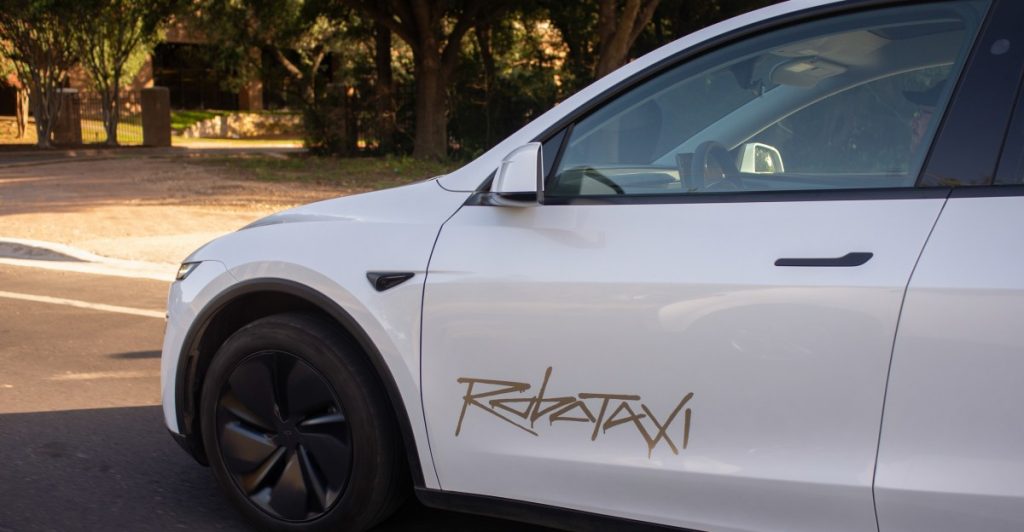
The company has been quietly expanding its robotaxi operations in select cities, with dozens of vehicles now operating in both supervised and unsupervised modes. This controlled deployment represents a more realistic approach to autonomous vehicle development than the broad consumer rollout initially promised.
These limited trials benefit urban transportation planners and ride-sharing companies looking to understand the future of mobility services. However, they offer little immediate value to individual vehicle owners waiting for their cars to become truly autonomous.
Looking Forward: Realistic Expectations
The 10 billion mile milestone represents significant data collection achievement, but I believe it’s more meaningful as a stepping stone than a destination. The real breakthrough will come when manufacturers are willing to assume full liability for autonomous vehicle operation—a development that likely remains years away.
For consumers considering autonomous vehicle technology, this milestone should serve as a reminder to focus on current capabilities rather than future promises. The technology works well as an advanced driver assistance system today, but true autonomous driving remains elusive despite impressive-sounding numerical achievements.