AI Language Models Are Creating Fictional Words in Text Summaries
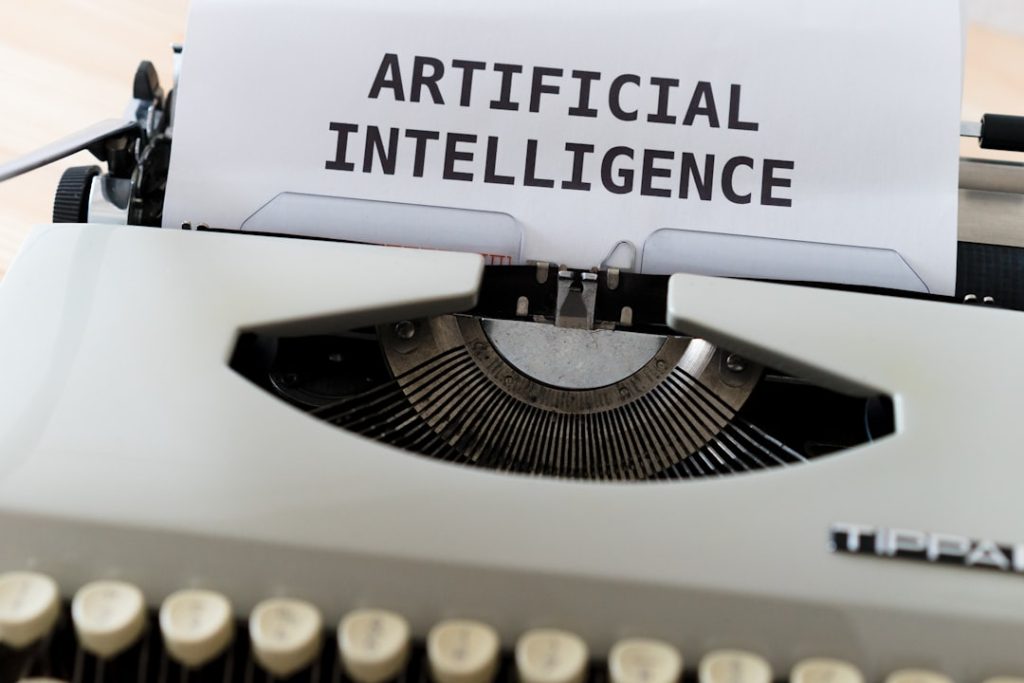
The phenomenon of artificial intelligence hallucination has taken an intriguing new turn, and frankly, it’s both fascinating and concerning. While we’ve grown accustomed to AI systems occasionally fabricating facts or misinterpreting context, the emergence of completely invented words represents a different category of error altogether. This isn’t just about getting information wrong—it’s about the fundamental breakdown of language processing itself.
What makes this particularly troubling is how these fabricated terms often sound legitimate. When an AI system generates words like “imbixtent” or “flemulating,” they follow English phonetic patterns closely enough that users might briefly accept them as real vocabulary they simply don’t recognize. This creates a dangerous gray area where people might second-guess their own knowledge rather than question the AI’s output.
The Mechanics Behind Invented Terminology
The root cause appears to stem from how these language models handle text compression tasks. When tasked with condensing information—particularly in notification summaries—the AI sometimes creates portmanteau-style combinations when it cannot find appropriate shorter alternatives. Rather than admitting limitations or defaulting to longer but accurate phrasing, the system essentially “improvises” new vocabulary.

I believe this reveals a fundamental flaw in how we’re deploying AI for everyday tasks. The technology works reasonably well for general conversation where context can help clarify meaning, but it struggles with precise, condensed communication where every word matters. Weather notifications, news summaries, and similar brief communications demand accuracy above all else—yet these are exactly the scenarios where word invention seems most likely to occur.
Who Should Be Concerned
This issue particularly affects users who rely heavily on automated summaries for quick information consumption. Busy professionals who scan notifications throughout the day, individuals with accessibility needs who depend on AI-generated text, and anyone using these features for time-sensitive information should be especially cautious.
Conversely, users who primarily engage with AI for creative writing, brainstorming, or casual conversation may find this phenomenon less problematic—and potentially even amusing. The stakes are simply lower when you’re not depending on the output for factual accuracy.

The Broader Implications
What concerns me most is the potential normalization of linguistic uncertainty. As AI-generated text becomes more prevalent, we risk creating an environment where people become unsure about basic vocabulary and language rules. When technology starts inventing words that sound plausible, it undermines confidence in our own linguistic knowledge.
The solution isn’t to abandon AI text processing entirely—the benefits are too significant. Instead, developers need to implement better safeguards that prioritize accuracy over brevity. I’d rather receive a slightly longer but accurate summary than a concise one containing fabricated terminology.
For now, users should approach AI-generated summaries with healthy skepticism, especially when encountering unfamiliar words. A quick search can verify whether that impressive-sounding term actually exists in standard dictionaries. Until AI systems become more reliable at linguistic boundaries, human verification remains essential for important communications.
Photo by Markus Winkler on Unsplash
Photo by Google DeepMind on Unsplash
Photo by Steve A Johnson on Unsplash