Elite Marathon Champions Favor Budget Running Watches Over Premium Models
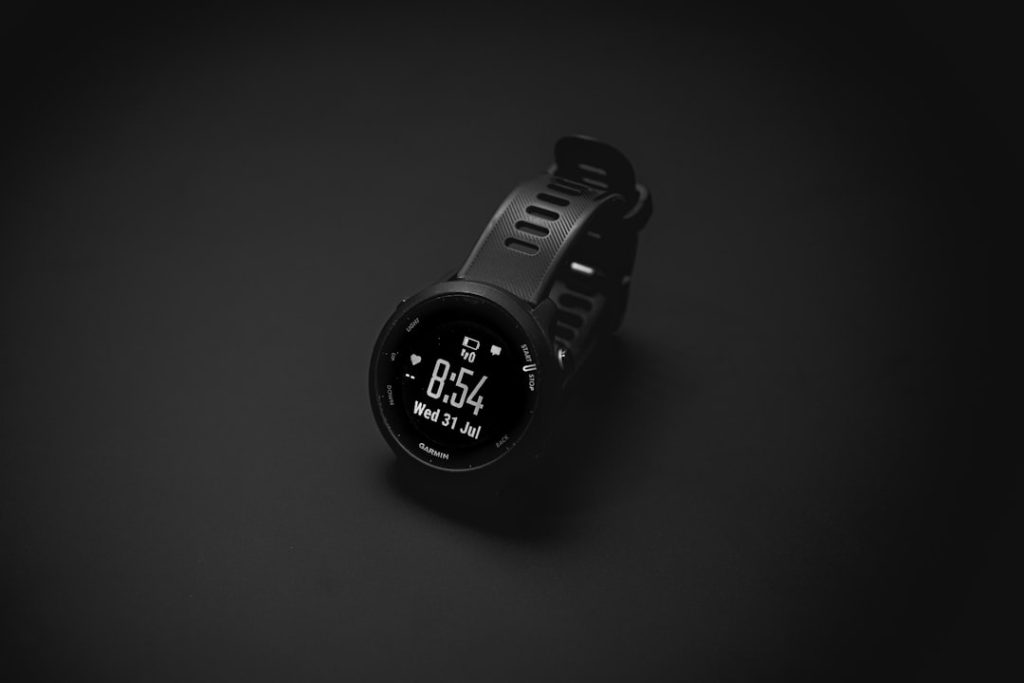
The recent London Marathon delivered spectacular performances, with multiple runners achieving what was once considered impossible. What’s particularly fascinating is the equipment these world-class athletes chose to wear on their wrists during these record-breaking performances. Contrary to what many might expect, the majority opted for affordable, older-generation running watches rather than the latest premium models.
I find this trend incredibly revealing about what actually matters in competitive running. After examining the watch choices of the top finishers, a clear pattern emerges that challenges our assumptions about high-tech gear and athletic performance.
The Surprising Equipment Choices
The men’s race saw extraordinary achievements, with two runners breaking the mythical two-hour barrier. The winner wore a basic GPS watch priced at just $167, while the second-place finisher chose a model costing $199. Even the third-place runner, despite being sponsored by a major tech company, selected a watch in the $350-400 range rather than a top-tier model.
The women’s field showed similar preferences. The world record holder used a mid-range device priced at $243, while other podium finishers chose watches ranging from $249 to approximately $450. What strikes me most is that four of these six elite athletes selected older models from 2021-2023, featuring traditional reflective displays rather than modern AMOLED screens.
This equipment selection tells us something profound about athletic priorities that I think many recreational runners miss entirely.
Why Simplicity Wins at Elite Levels
In my view, these choices reflect a fundamental truth about competitive running: mental focus trumps technological complexity. Elite athletes need their equipment to be invisible during competition, not demanding attention with notifications, complex metrics, or flashy features.

The primary function these runners need is straightforward pace and time tracking. When you’re attempting to break world records, every mental resource must be directed toward performance, not interpreting data from your wrist. I believe this is why we see such conservative equipment choices among professionals.
These athletes have dedicated coaching teams handling training analysis and planning. They don’t need their watch to suggest workouts, calculate recovery scores, or track sleep patterns. Their training regimens are meticulously planned by experts, making many advanced features redundant.
Who Benefits from Basic vs. Advanced Features
This equipment analysis reveals important insights about who should invest in what level of technology. Elite and serious competitive runners clearly benefit from simple, reliable devices that won’t distract during crucial moments. The basic GPS functionality and pace tracking serve their needs perfectly.
However, I think recreational runners face a different equation. If you’re training independently without professional coaching, advanced features like workout suggestions, recovery metrics, and training load analysis can provide genuine value. These tools can substitute for professional guidance that most amateur athletes lack.
Conversely, if you’re someone who gets overwhelmed by data or finds yourself constantly checking metrics instead of listening to your body, these elite athletes’ choices suggest you might benefit from a simpler approach.
The Marketing vs. Reality Gap
What bothers me about the running watch industry is how it markets complexity as necessity. Companies continuously add features to justify higher prices and newer models, often targeting our desire to feel more professional or elite.

The reality demonstrated by actual elite performance is that most advanced features serve engagement and marketing purposes rather than athletic improvement. Features like activity tracking for dozens of sports, smartphone integration, and complex analytics primarily keep users interacting with the brand ecosystem.
I’ve observed that many recreational runners become so focused on optimizing their watch metrics that they lose touch with fundamental training principles. The irony is that while they’re obsessing over recovery scores and training stress, elite athletes are succeeding with basic time and pace data.
Practical Implications for Different Runner Types
For competitive runners seeking performance improvements, I believe these elite choices validate focusing on training consistency and coaching quality over equipment upgrades. Your money is better invested in professional guidance than premium watch features.
Casual fitness enthusiasts might find different value propositions. If tracking multiple activities, monitoring daily health metrics, or gamifying fitness helps maintain motivation, advanced features could justify their cost. The key is honest self-assessment about what actually influences your training behavior.
Serious amateur runners occupy middle ground where I think selective feature adoption makes sense. Basic GPS tracking with some training analysis can provide coaching insights without overwhelming complexity. However, resist the urge to upgrade simply because newer models exist.
What impresses me most about these elite athletes’ choices is their clarity about equipment priorities. They understand that running performance comes from physiological adaptation and mental preparation, not technological sophistication. Their watch selections reflect this understanding, prioritizing reliability and simplicity over feature abundance.
This perspective challenges the prevailing narrative that newer and more expensive automatically means better for athletic performance. Sometimes the most advanced choice is deliberately choosing less advancement.
Photo by Daniel Maquiling on Unsplash
Photo by Massimo Sartirana on Unsplash