The Psychology Behind Celebrity Album Speculation: When Fans Become Detectives
The entertainment industry has witnessed a fascinating phenomenon where devoted music fans transform into amateur detectives, meticulously analyzing every social media post, outfit choice, and public appearance for hidden clues about upcoming releases. This behavior has reached fever pitch levels with certain major artists, creating a culture of constant speculation that says as much about our digital age as it does about celebrity marketing strategies.
I find this trend both captivating and concerning. While fan engagement demonstrates genuine passion for artistry, the relentless hunt for Easter eggs has created an ecosystem where misinformation spreads faster than wildfire. Recently, we’ve seen how quickly false claims about album announcements can circulate, only to be swiftly debunked by official representatives.
The Art of Reading Between the Lines
What strikes me most about modern fan culture is the incredible creativity involved in interpretation. Supporters analyze everything from clothing colors to fruit imagery, drawing connections that would make conspiracy theorists proud. A purple outfit becomes a tribute to legendary musicians, while three pieces of citrus fruit transform into cryptic messages about trilogy completions.
This behavior isn’t entirely misguided—artists do plant genuine hints. However, I believe fans often see patterns where none exist, creating elaborate theories from coincidental timing or unrelated visual choices. The line between intentional teasing and wishful thinking has become increasingly blurred.
Major Events as Launch Platforms
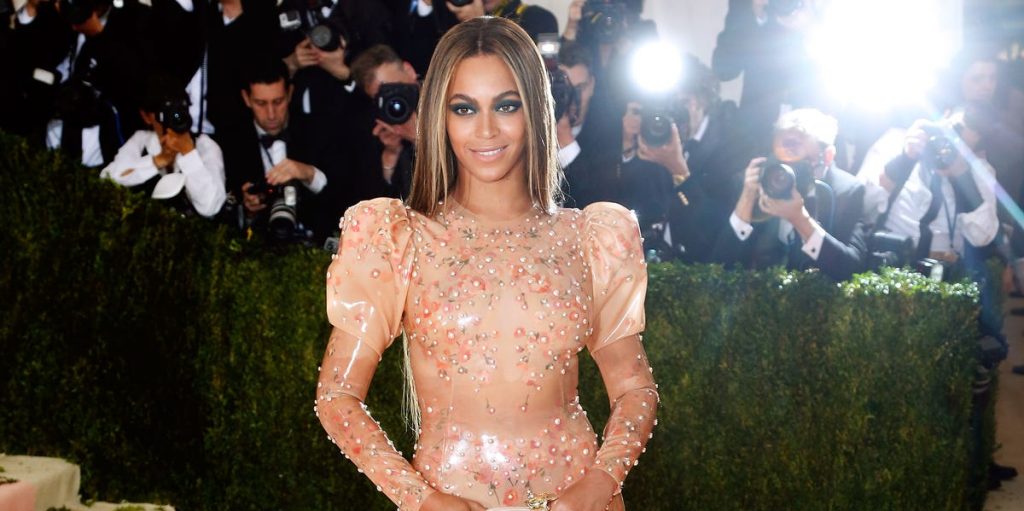
High-profile gatherings like the Met Gala have evolved into potential announcement venues, with fans scrutinizing guest lists and appearances for album reveals. This year’s theme, “Fashion Is Art,” has only intensified speculation about conceptual projects that might align with such artistic celebrations.
From my perspective, this expectation places enormous pressure on artists. Every public appearance becomes loaded with potential meaning, making it nearly impossible for celebrities to simply attend events without triggering speculation waves. This dynamic benefits neither the artists nor their audiences in the long run.
The Speculation Ecosystem
What fascinates me about these theories is their diversity and specificity. Fans don’t just predict releases—they craft detailed narratives about musical directions, potential collaborators, and exact dates. Some envision rock explorations following dance and country ventures, while others focus on birthday-related timing or archival footage interpretations.
I think this level of investment stems from genuine artistic appreciation, but it can become problematic when speculation overshadows actual confirmed work. The constant future-focused mindset prevents full appreciation of current releases, creating a perpetual cycle of anticipation rather than satisfaction.
The Reality Check
Despite months of theories and social media analysis, official confirmations remain scarce. Artists typically reveal projects on their own timelines, often surprising fans who’ve been looking in entirely wrong directions. This disconnect between fan expectations and artist intentions highlights the futility of over-analysis.
I believe this phenomenon primarily benefits social media engagement rather than genuine artistic discourse. While harmless fun for some, it can create unrealistic expectations and disappointment when elaborate theories prove unfounded. The energy spent on speculation might be better directed toward supporting confirmed releases and appreciating existing catalogs.
Ultimately, this culture reflects our instant-gratification society’s struggle with patience and uncertainty. Perhaps the most radical act fans could take would be simply waiting for official announcements while fully engaging with currently available music. After all, the best surprises are those we don’t see coming.