Budget Airline Ceases Operations, Leaving Thousands Stranded and Industry Forever Changed
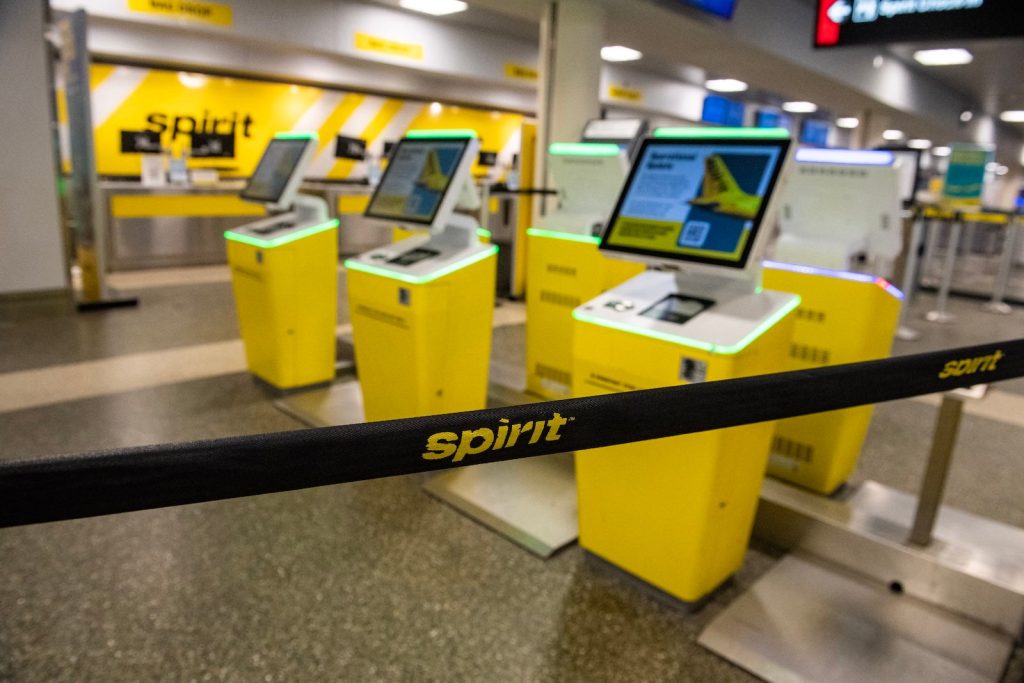
The sudden collapse of a major ultra-low-cost carrier has sent shockwaves through the aviation industry, with the airline officially halting all operations in the early hours of Saturday morning. This development represents more than just another corporate failure – it’s a stark reminder of how fragile the budget airline model has become in today’s economic climate.
I believe this shutdown was inevitable given the mounting pressures facing discount carriers. The airline’s decision to ground its entire fleet came after weeks of speculation about potential liquidation, ultimately announcing the cessation of all flights shortly after 3 a.m. Eastern Time on Saturday. Passengers were advised to avoid traveling to airports, though many had already arrived to find kiosks displaying shutdown messages.
The Human Cost of Corporate Failure
What strikes me most about this situation is the immediate human impact. Approximately 9,500 direct employees – rising to 17,000 when including contractors – suddenly found themselves without jobs. Travelers, pilots, and flight attendants were left stranded at airports nationwide, a scenario that highlights the vulnerability of both workers and consumers in the current airline landscape.
This collapse particularly affects budget-conscious travelers who relied on ultra-low-cost options. For families stretching their vacation dollars or business travelers on tight expense accounts, the loss of this carrier represents a significant blow to affordable air travel options.
Industry Response and Government Intervention
The Department of Transportation’s swift response demonstrates the seriousness of the situation. Major airlines have agreed to offer reduced “rescue fares” on affected routes and provide preferential employment interviews to displaced workers. While these measures show industry solidarity, I question whether they’re sufficient to address the long-term implications.
The government’s intervention, though well-intentioned, feels reactive rather than proactive. This situation could have been anticipated given the carrier’s prolonged financial struggles and second bankruptcy filing.
The Perfect Storm of Challenges
Multiple factors contributed to this airline’s demise, creating what I see as a perfect storm for budget carriers. The ongoing conflict affecting fuel prices has dramatically increased operational costs, with jet fuel representing roughly one-third of airline expenses. For a carrier already operating on razor-thin margins, these increases proved catastrophic.
Engine defects that grounded significant portions of the fleet for extended inspections further strained resources. The airline’s attempts to modernize its business model – including adding premium seating options – came too late to offset mounting losses.
Failed Merger Opportunities
The blocked merger with another carrier in 2024 sealed this airline’s fate. During court proceedings, executives testified that acquisition was necessary for survival – a prescient warning that ultimately proved accurate. The Biden administration’s antitrust stance, while protecting competition in theory, may have inadvertently hastened this carrier’s collapse.
Broader Market Implications
This shutdown represents more than just one company’s failure – it signals a fundamental shift in the airline industry. Ultra-low-cost carriers have historically served as price anchors, forcing major airlines to compete on fare pricing. With one fewer budget competitor, I expect to see gradual fare increases across the industry.
The loss affects approximately 1.8% of U.S. airline capacity, which may seem small but will be felt acutely on specific routes where this carrier dominated. Travelers in secondary markets that relied heavily on budget service will likely face reduced options and higher prices.
Who Benefits and Who Loses
Major airlines will undoubtedly benefit from reduced competition, potentially allowing for higher fares and improved profit margins. However, this comes at the expense of consumer choice and affordability.
The biggest losers are budget-conscious travelers who now face fewer low-cost options. Business travelers with flexible corporate accounts may barely notice the change, but families planning vacations or students traveling home will feel the impact significantly.
Airport operators in cities where this carrier maintained significant operations will also suffer from reduced passenger traffic and lost revenue from gate leases and concession sales.
Looking Forward
This collapse should serve as a wake-up call for the industry and regulators. The ultra-low-cost model, while popular with consumers, operates on unsustainably thin margins that leave carriers vulnerable to external shocks. Future policy decisions must balance competition concerns with the reality of airline economics.
For travelers, this event underscores the importance of travel insurance and booking with established carriers when trip reliability is crucial. While budget airlines offer attractive fares, their financial fragility poses real risks to travel plans.
The aviation industry has lost an important competitor, and consumers will ultimately bear the cost through reduced choice and higher prices. This shutdown marks the end of an era for ultra-low-cost travel and signals a more consolidated, potentially more expensive future for air travel.