Private Bathrooms in Every First Class Suite: The Ultimate Symbol of Aviation’s Inequality
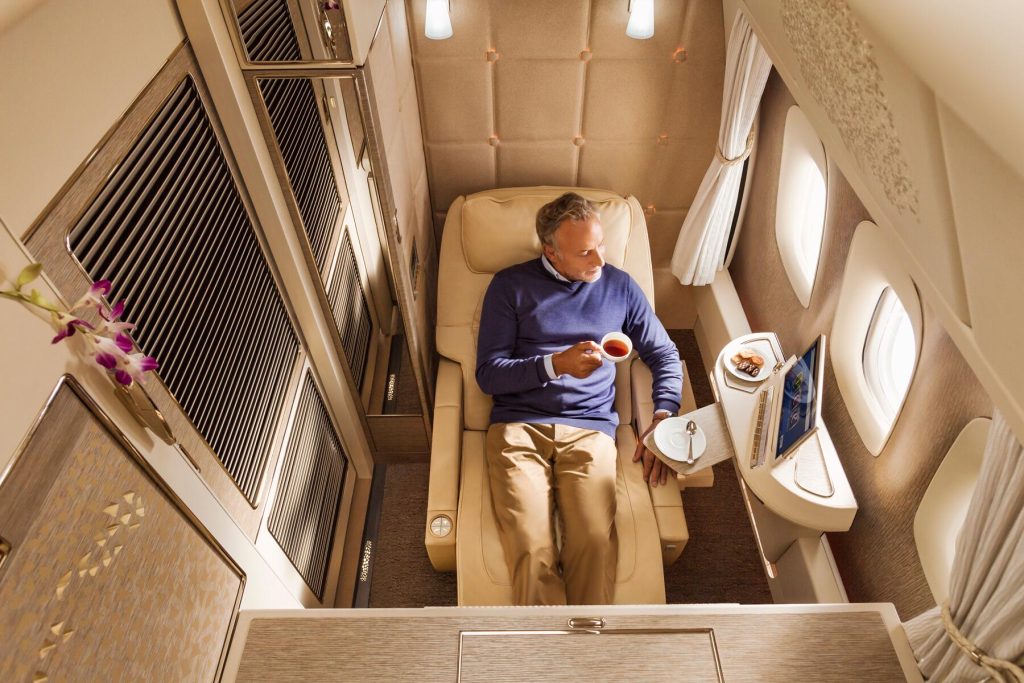
The aviation industry’s relentless pursuit of ultra-luxury amenities has reached a new pinnacle with plans for individual en-suite bathrooms in every first-class seat. This development represents more than just premium comfort—it’s a stark illustration of how dramatically air travel experiences diverge based on ticket price.
During a recent airline industry summit in Berlin, the Dubai-based carrier’s leadership revealed ambitious plans to install private bathrooms in each first-class suite. What struck me as particularly telling was the CEO’s unusual invitation for competitors to rush and copy this innovation. This isn’t typical industry behavior, where airlines usually guard their innovations closely until launch.
Why This Matters More Than You Think
I believe this development is significant for several reasons beyond mere luxury. For ultra-wealthy travelers and corporate executives with generous travel policies, this represents the logical next step in premium aviation. These passengers, who routinely pay $10,000 to $20,000 for a one-way ticket, expect hotel-level privacy and comfort at 40,000 feet.
However, for the vast majority of travelers—including most business class passengers—this innovation is completely irrelevant. It’s a stark reminder of how the aviation industry increasingly caters to the extreme ends of the market while the middle ground continues to shrink.
The Technical Reality Behind the Luxury
The engineering challenges are substantial and telling. Each first-class suite already weighs approximately half a ton, compared to just 200 pounds for business class and a mere 20 pounds for economy seats. Adding individual bathrooms—each weighing around 200 pounds plus plumbing—creates significant weight and balance issues.
Recent examples from other airlines demonstrate these challenges. Swiss International had to install counterweights in aircraft tails because their new first-class suites were too heavy. This isn’t just about luxury; it’s about the physics and economics of flight becoming increasingly complex to serve an ever-smaller passenger segment.
Who Really Benefits From This Arms Race
In my view, this development primarily serves two groups: the ultra-wealthy who view commercial first class as a private jet alternative, and airlines competing for the most lucrative passenger segment. For solo long-haul travelers, first class at $15,000 remains cheaper than private aviation, which costs $5,000 to $20,000 per flight hour.
The broader implications concern me more. While airlines invest millions in bathroom suites for first class, economy passengers face shrinking seat sizes, eliminated amenities, and rising fees. This isn’t just about comfort disparity—it’s about fundamental questions of how we allocate resources in transportation infrastructure.
The Competition Context
This isn’t entirely unprecedented. Abu Dhabi’s Etihad Airways already offers en-suite bathrooms with showers in their ultra-premium “Residence” product, though only one exists per aircraft. The difference here is the proposal to provide private facilities for every first-class passenger, not just a single ultra-luxury suite.
Several major carriers continue investing heavily in first-class products while others have eliminated these cabins entirely in favor of premium business class. The airlines maintaining first class typically serve markets with high concentrations of finance, entertainment, and luxury industries where corporate policies still permit such expenses.
My Take on the Broader Implications
What troubles me about this trend is how it reflects broader societal inequality. Aviation was once seen as democratizing travel, making the world accessible to middle-class passengers. Today’s developments suggest we’re moving toward a bifurcated system where extraordinary luxury exists alongside increasingly commoditized mass transportation.
For frequent travelers in business or premium economy, these first-class innovations offer little practical value. The real competition should focus on improving the experience for the majority of passengers, not creating ever-more-elaborate amenities for the top 1% of travelers.
The bathroom arms race in aviation luxury ultimately serves as a fascinating case study in market segmentation and resource allocation. While impressive from an engineering standpoint, it raises important questions about priorities in an industry that serves millions of passengers daily, most of whom will never experience—or need—a private bathroom at cruising altitude.