The Most Audacious Fashion Statements That Defined Met Gala Culture
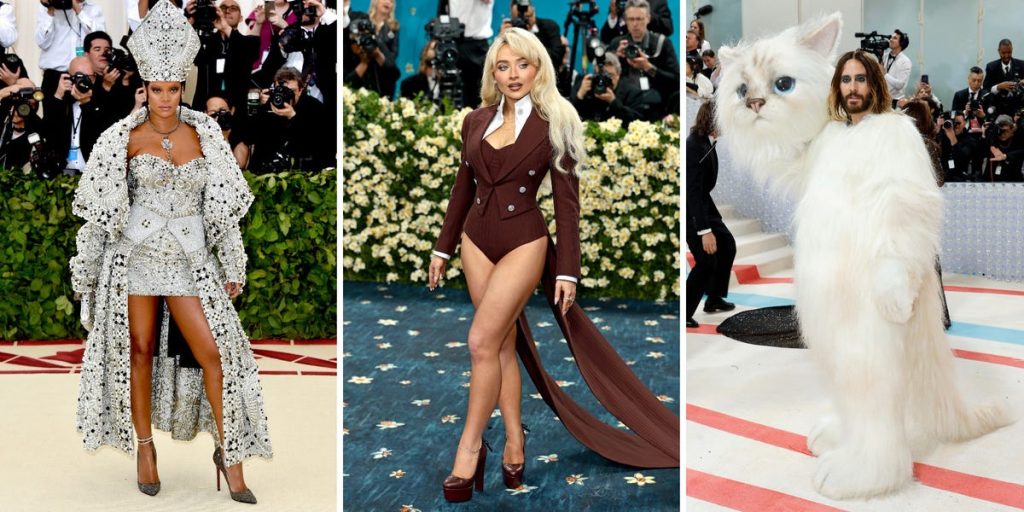
The Metropolitan Museum of Art’s annual costume benefit has evolved into fashion’s most theatrical stage, where celebrities abandon conventional red carpet etiquette in favor of boundary-pushing artistic expression. What started as a fundraising dinner has transformed into a cultural phenomenon that I believe represents the perfect intersection of high fashion, celebrity culture, and artistic interpretation.
This evolution fascinates me because it demonstrates how fashion can transcend mere clothing to become a form of performance art. The event’s unique format encourages participants to take risks they would never consider at other industry gatherings, creating moments that define fashion history.
When Fashion Becomes Performance Art
The most memorable appearances throughout the gala’s history share common characteristics that I find particularly compelling. They demonstrate fearless creativity, meticulous attention to thematic interpretation, and an understanding that this platform demands nothing less than complete commitment to artistic vision.
What strikes me most about these standout moments is how they challenge our preconceptions about what constitutes appropriate formal wear. The participants who truly succeed at this event understand that conventional beauty standards don’t apply here – it’s about conceptual thinking and theatrical impact.
The Risk-Takers Who Changed Everything
Certain appearances have fundamentally altered how we perceive celebrity fashion, introducing elements of surrealism, historical reference, and avant-garde design that would seem absurd in any other context. These moments work because they embrace the event’s core mission of celebrating fashion as art form.
I believe the most successful participants are those who collaborate closely with designers to create something entirely new rather than simply selecting an existing piece from a collection. This collaborative approach results in looks that couldn’t exist anywhere else, which is precisely what makes them so powerful.
Who Benefits From This Spectacle
This annual fashion showcase serves multiple constituencies in ways that I find genuinely interesting. Emerging designers gain unprecedented exposure when their creations appear on major celebrities, often launching careers overnight. Established fashion houses use the platform to demonstrate their creative range beyond commercial considerations.
For celebrities, the event offers an opportunity to be taken seriously as cultural participants rather than mere entertainers. The most astute public figures recognize this as a chance to align themselves with artistic institutions and demonstrate intellectual engagement with fashion history.
However, I think this environment isn’t suitable for everyone. Celebrities who prefer understated elegance or feel uncomfortable with theatrical presentation often appear out of place. The event rewards boldness over beauty, concept over conventional appeal.
The Cultural Impact Beyond Fashion
What I find most significant about these memorable fashion moments is their lasting influence on popular culture. The most striking appearances become reference points that inspire everything from Halloween costumes to social media content, demonstrating fashion’s power to create shared cultural experiences.
The event has also democratized fashion criticism, with social media enabling immediate global commentary on each appearance. This real-time feedback loop has intensified the pressure to create truly memorable moments while also expanding the conversation beyond traditional fashion industry gatekeepers.
Why Some Approaches Fail
Not every ambitious attempt succeeds, and I believe the failures offer valuable insights into what makes certain looks transcendent while others fall flat. The most common mistake involves prioritizing shock value over conceptual coherence, resulting in costumes that feel gimmicky rather than meaningful.
Another frequent misstep occurs when participants focus exclusively on the visual impact without considering how the garment functions as wearable art. The most successful pieces demonstrate technical mastery alongside creative vision, proving that innovation doesn’t require sacrificing craftsmanship.
I also notice that appearances which ignore the annual theme tend to feel disconnected from the event’s broader cultural purpose. The theme provides essential context that elevates individual creativity into collective artistic dialogue.
The Evolution of Acceptable Boundaries
The progression of what’s considered acceptable at this event reflects broader cultural shifts toward accepting fashion as legitimate artistic expression. Early editions featured relatively conventional formal wear, while recent years have embraced increasingly conceptual approaches that blur the lines between costume and couture.
This evolution matters because it demonstrates how cultural institutions can adapt and remain relevant while maintaining their core mission. The museum’s willingness to embrace radical fashion interpretation has kept the event culturally significant rather than allowing it to become a predictable social obligation.
Looking ahead, I expect we’ll see even more ambitious interpretations as participants recognize that subtle approaches simply don’t generate the cultural impact that justifies the enormous investment required to participate meaningfully in this annual spectacle.