Indian Political Landscape Shifts as Regional Elections Reshape Opposition Dynamics
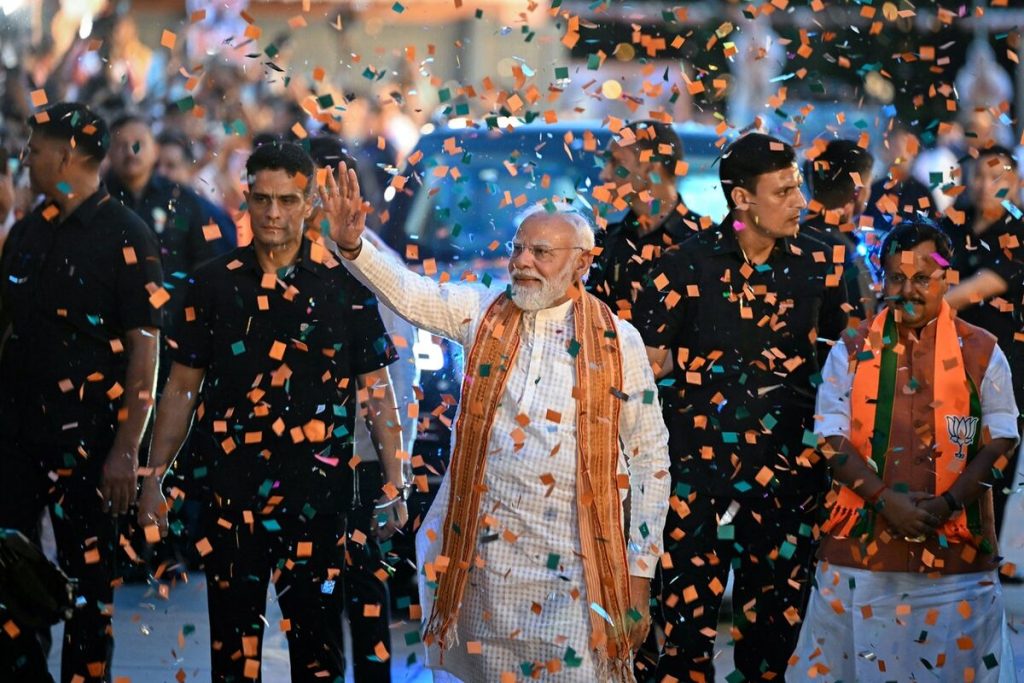
The recent state elections in India have fundamentally altered the political equation, demonstrating how quickly fortunes can change in the world’s largest democracy. What we’re witnessing is a remarkable political comeback that speaks to both the resilience of incumbent leadership and the fragmented nature of opposition politics in contemporary India.
The transformation is particularly striking when viewed against the backdrop of the national elections held just two years prior. During those contests, the ruling party faced significant challenges, falling short of securing an outright parliamentary majority for the first time in a decade. This outcome was widely interpreted as a sign of voter fatigue and growing dissatisfaction with the government’s performance.
However, the recent state-level contests tell a dramatically different story. Key opposition figures who were once considered formidable challengers have found themselves sidelined, their political influence significantly diminished. This development represents more than just electoral victories; it signals a potential realignment of India’s political architecture.
What This Means for Different Stakeholders
For political analysts and observers of Indian democracy, these results offer fascinating insights into the cyclical nature of political fortunes. I believe this demonstrates that in modern democracies, particularly in diverse nations like India, regional politics can serve as a bellwether for national trends, but they can also diverge significantly from federal patterns.
Business leaders and investors should take note of this political stability, as it suggests policy continuity in key states. This is particularly relevant for those operating in sectors sensitive to regulatory changes or those requiring long-term investment horizons. However, opposition supporters and advocates for political plurality might find these developments concerning, as they indicate a potential consolidation of power that could limit democratic discourse.
The Broader Implications
What strikes me most about these electoral outcomes is how they highlight the importance of organizational strength and grassroots mobilization in Indian politics. The ability to maintain political momentum across different electoral cycles requires sophisticated party machinery and consistent messaging – something that appears to have been lacking among opposition forces.
For ordinary citizens, particularly those in the affected states, these results will likely mean continuity in governance approaches and policy implementation. This could be beneficial for those who have supported existing programs and initiatives, but may disappoint voters seeking alternative approaches to development and governance challenges.
The international community, particularly diplomatic observers and foreign policy experts, will undoubtedly view these developments as indicators of political stability in South Asia’s largest democracy. This matters significantly for global partnerships and regional security arrangements.
Looking Forward
I think the most important takeaway from these electoral shifts is that they underscore the dynamic nature of democratic politics. While these results represent a significant political victory, they also highlight the need for robust opposition voices in any healthy democracy. The challenge moving forward will be whether alternative political forces can regroup and present viable alternatives to voters.
For political parties across the spectrum, these outcomes serve as a reminder that electoral success requires more than just criticism of incumbents – it demands clear policy alternatives, effective organization, and the ability to connect with voters on issues that matter to their daily lives.