Oil Alliance Implements Third Consecutive Production Increase Following Strategic Waterway Disruption
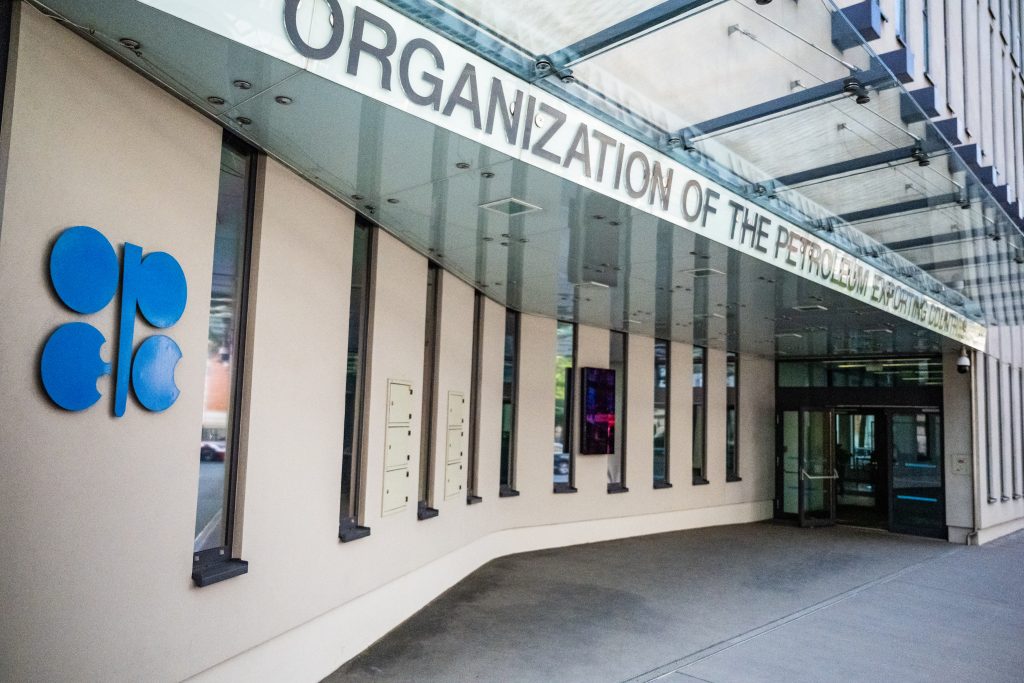
The global oil cartel has announced another production boost, marking the third straight month of increased output quotas. Seven member nations within the alliance will collectively elevate their daily production targets by 188,000 barrels starting in June, according to an official statement from the organization.
This decision represents a fascinating case study in how geopolitical events can reshape energy markets almost overnight. The closure of the Hormuz strait has fundamentally altered the supply-demand equation, and I believe this measured response demonstrates both pragmatism and restraint from producers who could easily have been more aggressive in their approach.
Market Dynamics and Strategic Implications
What strikes me most about this development is the calculated nature of these increases. Rather than flooding the market with oil to capitalize on elevated prices, the alliance is implementing gradual adjustments that suggest long-term strategic thinking over short-term profit maximization. This approach benefits consumers through more stable pricing while protecting producer revenues from potential market volatility.
For energy investors and portfolio managers, this trend signals a new era of supply management that prioritizes market stability. Those tracking energy commodities should view these incremental increases as positive indicators of responsible market stewardship, though traders seeking dramatic price swings might find this measured approach less appealing.
Winners and Losers in the New Landscape
The primary beneficiaries of this strategy are clearly the consuming nations facing supply constraints due to the waterway closure. Industries heavily dependent on petroleum products—from transportation to manufacturing—will appreciate the alliance’s efforts to maintain adequate supply levels without creating artificial scarcity.
However, I suspect some member countries with excess production capacity might feel constrained by these modest increases. Nations capable of ramping up output more significantly could potentially maximize revenues in the current environment, but the collective approach prioritizes market stability over individual gain.
Looking Forward
The pattern of consecutive monthly increases suggests the alliance is carefully monitoring market conditions and adjusting accordingly. This methodical approach indicates sophisticated market analysis rather than reactive decision-making, which I find encouraging for global energy security.
For businesses planning their energy procurement strategies, these steady increases provide valuable predictability. Companies can better forecast their operational costs knowing that supply adjustments are being made systematically rather than sporadically. This benefits everyone from airline executives managing fuel hedging programs to manufacturing leaders planning production schedules.
The real test will be whether this disciplined approach continues if market conditions shift dramatically. The alliance’s commitment to gradual adjustments over the past three months demonstrates maturity in their market management philosophy, though maintaining this discipline during periods of extreme price volatility remains to be seen.