Luxury Fashion Giant Shows Recovery Momentum Despite Market Headwinds
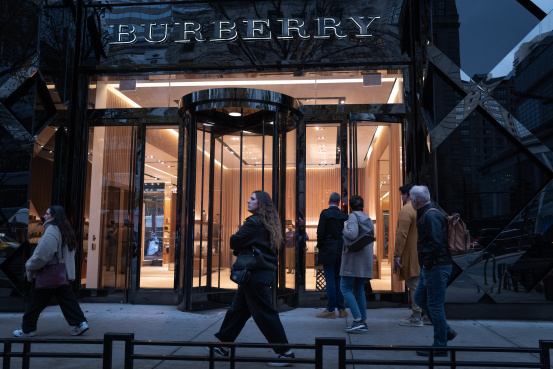
The British luxury fashion house is demonstrating encouraging progress in its strategic transformation efforts, signaling that its comprehensive restructuring initiatives are beginning to yield tangible results. This development comes at a crucial time when the luxury retail sector faces significant challenges from shifting consumer preferences and economic uncertainties.
I believe this turnaround story represents a fascinating case study in luxury brand reinvention. What strikes me most is how traditional heritage brands must now balance their established prestige with modern consumer expectations. This is particularly relevant for investors seeking exposure to the luxury goods sector, though it’s worth noting that such transformations rarely follow a linear path.
Strategic Repositioning Gains Traction
The company’s efforts to revitalize its brand identity and streamline operations appear to be resonating with both consumers and market analysts. The transformation strategy focuses on enhancing product quality, refining the brand’s positioning in key markets, and optimizing retail operations across global locations.
From my perspective, this approach makes sense for established luxury brands facing disruption. However, I think investors should remain cautious about expecting immediate results. Luxury brand turnarounds typically require sustained investment and patience, making this more suitable for long-term investors rather than those seeking quick returns.
Market Response and Financial Indicators
Recent financial metrics suggest the restructuring efforts are translating into improved operational performance. The company has reported better-than-expected results in several key performance areas, indicating that management’s strategic vision is beginning to materialize.
What’s particularly noteworthy is how the brand is navigating the challenging luxury market environment. I find it encouraging that they’re showing resilience while many competitors struggle with declining demand in certain regions, particularly in Asia where luxury consumption has softened considerably.
Consumer Behavior Shifts
The evolving preferences of luxury consumers, especially younger demographics, have forced traditional brands to adapt their strategies significantly. This includes embracing digital channels, sustainability initiatives, and more accessible pricing tiers while maintaining exclusivity.
In my opinion, this demographic shift represents both the biggest opportunity and the greatest risk for heritage luxury brands. Those who successfully adapt will likely emerge stronger, but brands that fail to connect with younger consumers may find themselves increasingly marginalized. This makes the current performance particularly significant for long-term viability.
Industry Implications and Outlook
The positive momentum serves as an important benchmark for the broader luxury fashion industry, which has been grappling with various headwinds including supply chain disruptions, changing retail landscapes, and economic volatility in key markets.
I believe this case demonstrates that well-executed turnaround strategies can still succeed in today’s challenging environment. However, this is primarily relevant for institutional investors and luxury sector specialists who understand the complexities involved. Retail investors should approach such opportunities with careful consideration of the risks inherent in brand transformation processes.
Looking ahead, the sustainability of this recovery will depend on the company’s ability to maintain momentum while continuing to invest in long-term growth initiatives. The luxury market’s cyclical nature means that current positive trends could face headwinds from broader economic conditions or shifts in consumer sentiment.