Precious Metals Decline Amid Middle Eastern Geopolitical Tensions and Energy Market Volatility
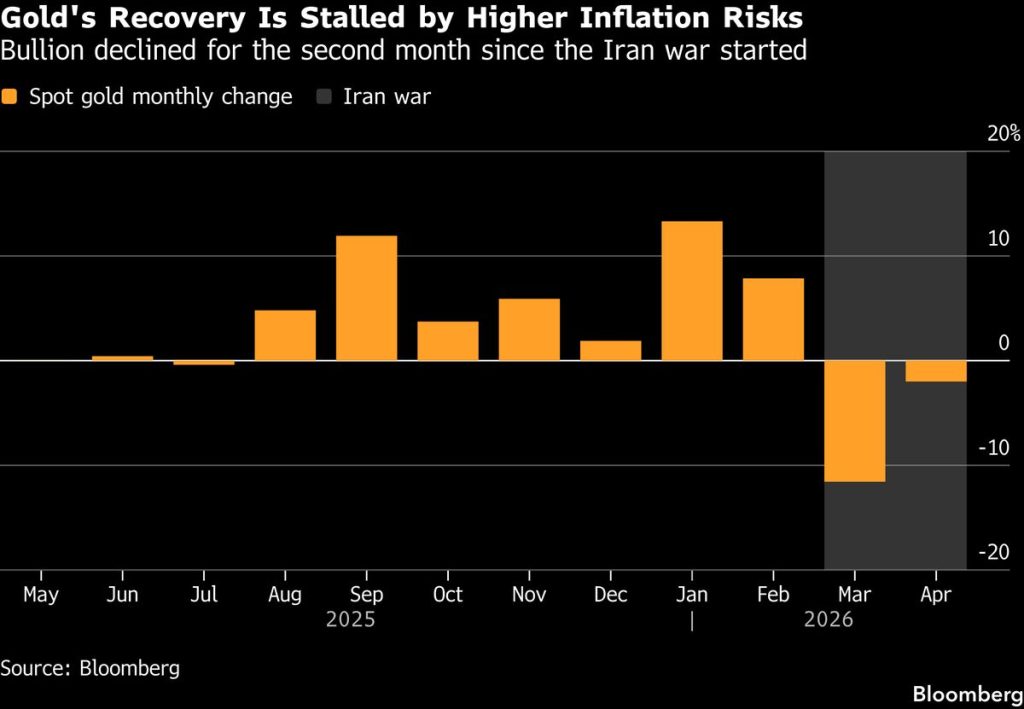
The precious metals market experienced a notable downturn recently as geopolitical tensions in the Middle East intensified, creating ripple effects across global commodity markets. What we’re witnessing here is a fascinating paradox that reveals the complex relationship between safe-haven assets and broader economic concerns.
The current situation centers around escalating tensions in the strategically vital Strait of Hormuz region, where diplomatic relations between major powers have deteriorated significantly. This development has effectively derailed hopes for a peaceful resolution that many investors had been counting on just weeks ago.
Energy Markets Drive Broader Economic Concerns
In my view, the most significant aspect of this crisis isn’t the immediate geopolitical implications, but rather how energy price volatility is reshaping investor sentiment across multiple asset classes. When oil and gas prices surge due to supply route concerns, it creates a domino effect that touches everything from transportation costs to manufacturing expenses.
This situation particularly matters for retail investors who might typically view precious metals as a hedge against uncertainty. However, what we’re seeing now challenges that conventional wisdom. The fear of sustained inflation appears to be outweighing the traditional flight-to-safety mentality that usually benefits gold and silver markets.
Who Benefits and Who Loses
Energy sector investors are clearly positioned to benefit from this volatility, especially those holding positions in oil exploration and refining companies. The sustained higher prices create windfall profits for producers, though consumers ultimately bear the cost burden.
On the flip side, this environment creates particular challenges for fixed-income investors and those on tight budgets. Rising energy costs translate directly into higher living expenses, while the prospect of persistent inflation erodes the purchasing power of savings accounts and conservative investment portfolios.
Market Psychology and Investment Strategy
What strikes me most about this situation is how it demonstrates the evolving nature of market psychology in our interconnected global economy. Traditional safe-haven assets like precious metals are no longer responding predictably to geopolitical stress when that stress threatens to unleash broader economic disruption.
Smart investors should recognize that this represents a shift in how markets process risk. The immediate concern about inflation’s impact on monetary policy appears to be trumping longer-term uncertainty hedging strategies. This suggests we’re in an environment where short-term economic stability concerns matter more than traditional crisis hedging.
For portfolio managers and institutional investors, this creates both opportunity and risk. Those who can navigate energy market volatility while managing inflation exposure stand to benefit significantly. However, investors relying solely on historical patterns of precious metals performance during crises may find themselves disappointed.