The Complex Challenge of Regulating Self-Driving Vehicles on Public Roads
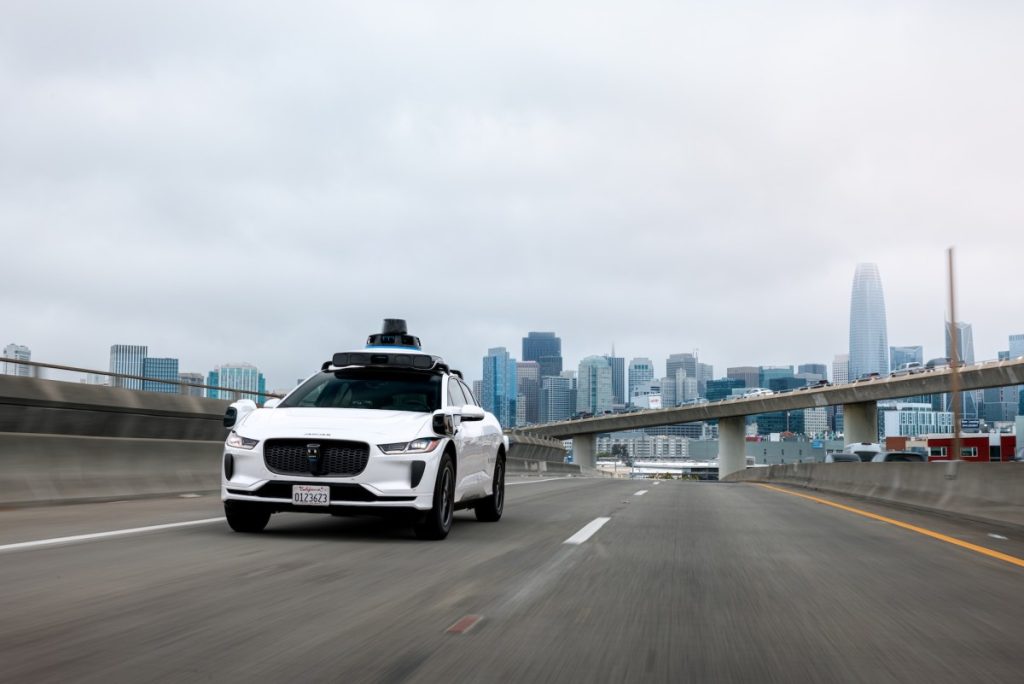
The autonomous vehicle industry faces a pivotal moment as California introduces comprehensive new regulations that could reshape how self-driving cars operate nationwide. These sweeping changes, spanning over 100 pages of detailed requirements, represent the most significant regulatory overhaul for autonomous vehicles in recent years.
What strikes me most about these developments is how they highlight the fundamental tension between innovation and accountability in emerging technologies. The new framework addresses a question that seems almost absurd yet is entirely practical: how do you hold a computer-controlled vehicle accountable for traffic violations?
Accountability in the Age of Automation
The most intriguing aspect of the new regulations involves law enforcement’s ability to cite autonomous vehicle companies for traffic infractions committed by their vehicles. Under the “Notice of Autonomous Vehicle Noncompliance” provision, manufacturers must report violations to state authorities within 72 hours of receiving citations from police.
I believe this approach makes perfect sense from a regulatory standpoint. Traditional traffic enforcement assumes a human driver who can be held personally responsible, but autonomous vehicles operate in a legal gray area. By shifting liability to the companies deploying these vehicles, regulators create a clear chain of accountability that should, in theory, incentivize better safety protocols.
However, I question whether the current framework goes far enough. The absence of monetary penalties seems like a missed opportunity. While data collection is valuable for identifying patterns and problems, financial consequences would likely drive faster improvements in vehicle behavior and safety systems.
Who Benefits and Who Doesn’t
The expanded regulations clearly favor larger, well-funded companies that can absorb the administrative burden of enhanced reporting requirements. Established players with robust legal and compliance teams will adapt more easily to the new data collection mandates, while smaller startups may struggle with the “burdensome” requirements that industry insiders consistently mention.
Heavy-duty vehicle manufacturers represent clear winners, as the regulations now explicitly allow autonomous trucks to test and deploy on public roads. This development could accelerate the adoption of self-driving technology in freight transportation, where the economic benefits are most compelling and the operational environments are more controlled.
For consumers, the picture is more mixed. Enhanced safety reporting and clearer accountability measures should theoretically improve public confidence in autonomous vehicles. Yet the increased regulatory compliance costs will inevitably be passed along to users through higher service fees.
The End of Disengagement Reports
One particularly noteworthy change involves replacing the controversial disengagement reporting system with requirements to document “dynamic driving task performance relevant system failures.” While this might sound like bureaucratic word-shuffling, I see it as a meaningful improvement.
The previous disengagement metrics were essentially useless for comparative analysis because companies applied wildly different standards. Some reported every minor intervention, while others only documented significant safety events. The new framework should provide more consistent and actionable data, though it’s still far from perfect.
Broader Implications for the Industry
These California regulations matter far beyond state borders because they often serve as a template for other jurisdictions. The automotive industry has historically operated under a patchwork of state and federal regulations, but California’s market size and regulatory influence make it a de facto standard-setter.
I’m particularly interested in how these rules will affect the pace of autonomous vehicle deployment. The enhanced reporting requirements and accountability measures should improve public safety, but they also add layers of complexity that could slow innovation. This trade-off seems inevitable and probably necessary given the current state of the technology.
The requirement for two-way communication links with 30-second response times and updated first responder interaction protocols addresses real operational challenges that emergency services face when dealing with autonomous vehicles. These provisions demonstrate a mature understanding of how self-driving cars must integrate with existing infrastructure and emergency response systems.
Looking Forward
The fundamental question these regulations raise is whether we’re striking the right balance between innovation and oversight. From my perspective, the new framework represents a reasonable middle ground that acknowledges both the potential benefits and genuine risks of autonomous vehicle technology.
Companies operating in this space need to accept that increased regulation is inevitable as the technology matures and deployment scales up. The alternative – a major safety incident that triggers much more restrictive rules – would be far worse for the industry’s long-term prospects.
For investors and entrepreneurs in the autonomous vehicle space, these regulations signal that success will increasingly depend on operational excellence and regulatory compliance, not just technological capability. Companies that can efficiently manage the administrative burden while maintaining innovation momentum will have significant competitive advantages.
Ultimately, I believe these regulations represent progress toward a more mature and accountable autonomous vehicle industry, even if they create short-term challenges for some players. The question isn’t whether such oversight is necessary, but whether the current approach will prove effective in practice.