Finding Peace in Unexpected Places: Why Gentle Entertainment Matters More Than Ever
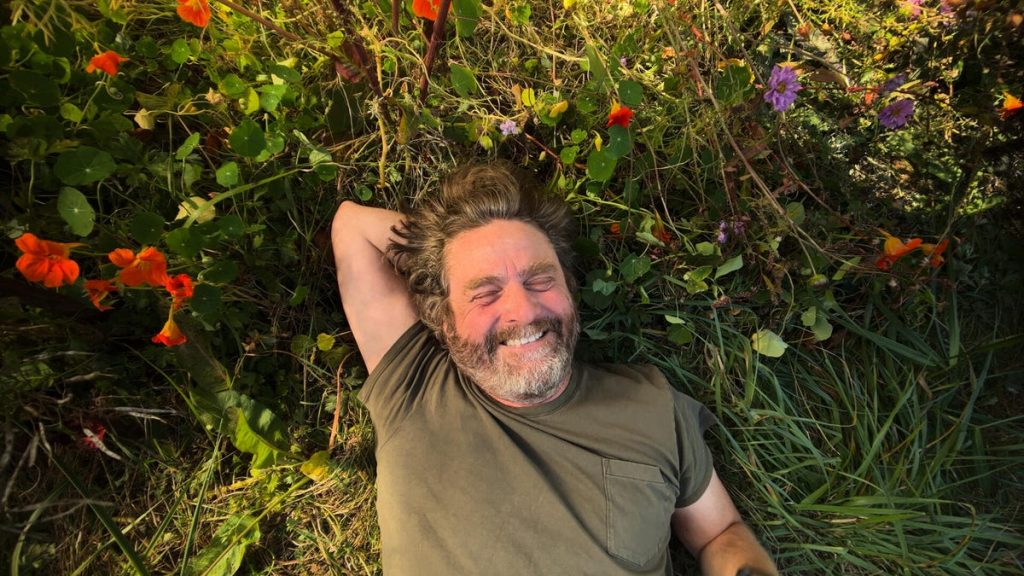
The landscape of relaxing television has shifted dramatically for many viewers, particularly those navigating the demands of parenthood. Where once intense dramas and adrenaline-pumping content served as evening entertainment, there’s now a growing appetite for something entirely different: shows that soothe rather than stimulate.
This trend reflects a broader cultural moment where audiences are actively seeking content that reduces stress rather than amplifying it. The appeal of gentle, educational programming speaks to our collective exhaustion with high-stakes entertainment. In my view, this shift represents a healthy recalibration of what we expect from our leisure time.
The recent Netflix series featuring a comedian exploring sustainable agriculture exemplifies this new direction perfectly. What makes this approach so effective is how it combines genuine educational value with understated humor, creating something that feels both informative and restorative. The host’s authentic passion for environmental topics shines through, suggesting that the best comfort viewing often emerges when entertainers pursue subjects they genuinely care about.
The Power of Brevity in Modern Entertainment
At just fifteen minutes per episode, this format acknowledges something crucial about contemporary viewing habits: attention spans are precious, and respect for viewers’ time creates loyalty. This approach works particularly well for busy parents, working professionals, and anyone who feels overwhelmed by the commitment required for hour-long episodes.
The show’s decision to keep things light rather than deeply instructional is smart programming. Viewers seeking comprehensive gardening tutorials can find those elsewhere. What’s harder to find is content that introduces complex topics like sustainability and conservation in an accessible, non-preachy way.
Why Child Perspectives Matter
The inclusion of children as interview subjects serves multiple purposes beyond comic relief. Kids often ask the questions adults are thinking but feel too sophisticated to voice. Their unfiltered reactions to agricultural concepts provide natural entry points for viewers who might otherwise find such topics intimidating.
This demographic choice also reinforces the show’s underlying message about environmental stewardship being a generational responsibility. However, I’d argue this approach works because it feels organic rather than calculated – the host’s genuine delight in these interactions comes across clearly.
Who This Format Serves Best
This type of programming is ideal for viewers who want to learn something new without feeling lectured to. It’s perfect for people seeking background viewing that won’t demand constant attention but rewards it when given. Parents looking for content they can watch with children present will find this approach refreshing.
However, gardening enthusiasts seeking detailed how-to instruction might find the format too superficial. Similarly, viewers who prefer their comedy more pointed or their educational content more comprehensive may not connect with this middle-ground approach.
The Future of Comfort Viewing
What’s most encouraging about this trend is how it demonstrates that educational content doesn’t need to be dry or intimidating to be valuable. The integration of environmental themes with gentle humor suggests audiences are ready for programming that takes important issues seriously while maintaining an approachable tone.
This format could easily be applied to other subjects – imagine similar treatments of topics like urban planning, renewable energy, or community organizing. The key seems to be finding hosts who possess genuine expertise or passion for their subjects, rather than simply assigning topics to existing personalities.
The success of such programming indicates that viewers are hungry for content that leaves them feeling better rather than more anxious. In an era of constant crisis coverage and high-stakes entertainment, there’s real value in shows that remind us of simple pleasures and positive possibilities. This represents not just a programming trend, but a cultural correction toward more sustainable forms of entertainment consumption.