Recreating Lost Family Recipes: A Journey Through Memory and Heritage
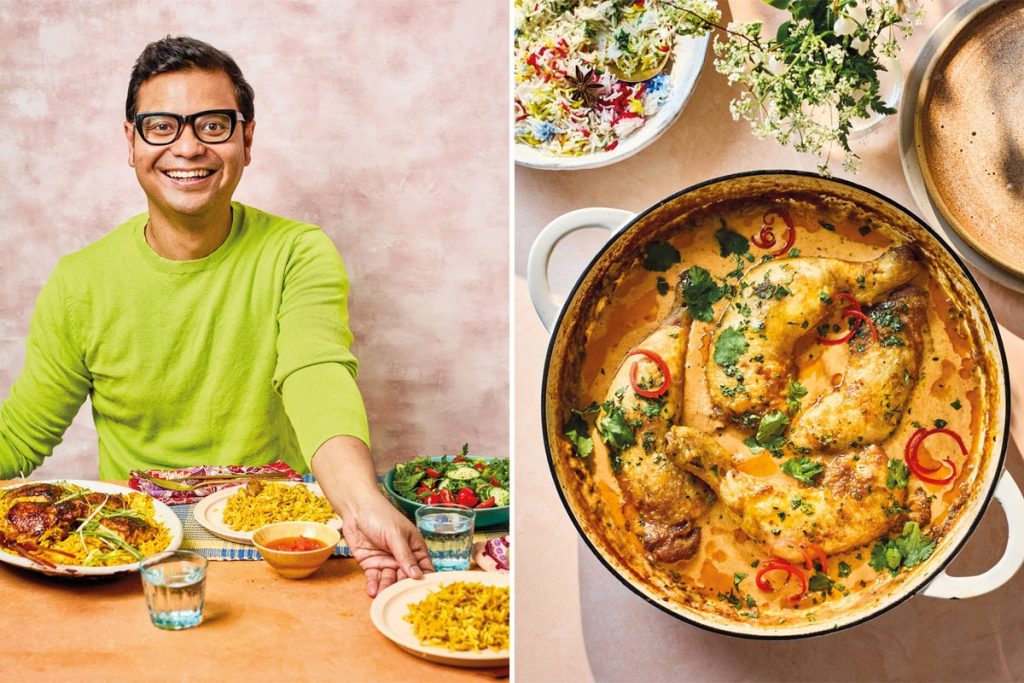
The theft of cherished family recipes represents more than just missing ingredients and cooking methods—it’s the loss of cultural identity and emotional connection to our ancestors. This reality became painfully clear for one chef whose grandmother’s stolen recipe collection forced him on an extraordinary journey of culinary reconstruction.
I find this story particularly compelling because it highlights something many of us take for granted: the fragile nature of oral traditions in our families. Too often, we assume these precious recipes will always be available, passed down seamlessly from one generation to the next. The harsh truth is that family culinary knowledge can vanish in an instant, whether through theft, death, or simple neglect.
For Ranie Saidi, a Malaysian-born chef now based in London, this loss became the catalyst for both personal healing and professional achievement. Raised primarily by his grandparents in northern Malaysia while his young parents completed medical school, Saidi watched his grandmother—a renowned wedding caterer—work her magic in the kitchen throughout his childhood. Her recipe book, filled with decades of culinary wisdom, disappeared after her death, likely taken by someone who knew its location and value.
What strikes me most about Saidi’s response is how he transformed grief into action. Rather than simply mourning the loss, he embarked on what he calls a “pilgrimage” to reconstruct these dishes from memory. This approach resonates with anyone who has struggled with loss—sometimes the best way to honor someone is to actively preserve their legacy rather than passively grieving their absence.
The Therapeutic Power of Cooking
Saidi’s journey reveals something profound about the relationship between food and mental health. He began cooking not just to preserve his grandmother’s recipes, but as a form of therapy during a difficult period in his life. The structured nature of cooking—the precise measurements, timing, and techniques—provided focus and purpose when his mind was struggling with grief and displacement.
This therapeutic aspect of cooking is something I believe more people should embrace, particularly those dealing with loss or cultural disconnection. There’s something deeply grounding about the sensory experience of preparing food: the sizzle of onions in hot oil, the aroma of spices blooming, the satisfaction of perfectly balanced flavors. These experiences connect us to our bodies and our heritage in ways that purely intellectual pursuits cannot.
However, I must acknowledge the limitations of memory-based reconstruction. As Saidi admits, some recipes remain incomplete—his grandmother’s blackened beef, for instance, exists only in fragments. Taste memory, while powerful, isn’t infallible, especially when decades have passed since the last authentic version was prepared.
Cultural Identity in a Globalized World
Saidi’s story took an interesting turn when he moved to Britain in 2013. Initially, he embraced British cuisine wholeheartedly, becoming obsessed with traditional dishes like crumble. This phase of cultural assimilation is something many immigrants experience—the desire to fit in by adopting local customs and foods.
The turning point came through an unfortunately common experience: racial abuse. When someone told him to “go back to your country,” it forced him to confront questions of belonging and identity. While I deplore the racism he experienced, I find his response remarkably mature and constructive. Instead of allowing bitterness to consume him, he used this painful moment as motivation to explore and celebrate his Malaysian heritage.
This aspect of his journey speaks to anyone caught between cultures, particularly second-generation immigrants or those who have lived abroad for extended periods. The challenge isn’t choosing between identities—it’s learning to embrace multiple cultural influences simultaneously. Saidi’s cookbook, “The Malay Cook,” represents this synthesis beautifully, incorporating both traditional Malaysian techniques and ingredients encountered during his British experience.
The Evolution of Traditional Cuisine
One fascinating element of Saidi’s approach is his willingness to acknowledge how traditional cuisines naturally evolve. His inclusion of tomato ketchup in Malaysian dishes initially surprised his recipe testers, but as he explains, this ingredient became part of Malaysian cooking during British colonial rule. Local cooks adapted foreign ingredients without formal instruction, creating new flavor profiles that became authentically Malaysian over time.
This perspective challenges purists who insist on “authentic” versions of traditional dishes. In reality, cuisines are living entities that constantly absorb influences from trade, migration, and cultural exchange. The Roti John—an omelette-stuffed brioche roll inspired by a British officer’s sandwich request—exemplifies this evolution. What began as cultural fusion in the 1960s is now considered authentic Malaysian street food.
I believe this adaptive approach to tradition is healthier than rigid adherence to historical recipes. It allows cultures to remain vibrant and relevant while honoring their core principles and techniques.
Practical Lessons for Home Cooks
Saidi’s experience offers valuable lessons for anyone interested in preserving family recipes. First, don’t wait—document these recipes while the knowledge holders are still alive and their memories are fresh. Second, understand that perfect reconstruction may be impossible, but meaningful approximation is still worthwhile. Third, embrace the evolution of traditional dishes rather than demanding absolute authenticity.
The recipes Saidi shares—grilled prawns with tamarind relish, matrimonial chicken, and pomegranate rose water rice—demonstrate how traditional techniques can be adapted for modern kitchens while maintaining their essential character. These aren’t museum pieces but living recipes that contemporary cooks can actually prepare and enjoy.
For those dealing with their own cultural disconnection or family recipe losses, Saidi’s story offers hope. While we cannot recover what is truly lost, we can create new traditions that honor our heritage while acknowledging our present circumstances. Sometimes the most authentic thing we can do is adapt and evolve, just as our ancestors did when they encountered new ingredients and techniques.
Ultimately, Saidi’s journey from loss to reconstruction reminds us that food serves as more than sustenance—it’s a bridge between past and present, a form of cultural preservation, and a pathway to healing. His grandmother’s recipes may have been stolen, but their essence lives on in his memory, his cooking, and now in his cookbook, available to anyone who wishes to experience these flavors without having to steal them.