Electric Vehicle Leasing Emerges as Britain’s Smartest Car Ownership Strategy
The automotive landscape has shifted dramatically, and I believe we’re witnessing a fundamental change in how smart consumers approach vehicle ownership. The traditional buy-and-hold mentality that dominated car purchasing for decades is giving way to more strategic thinking, particularly when it comes to electric vehicles.
What strikes me most about today’s market is how leasing has evolved from a business-only solution to arguably the most sensible option for private buyers. This isn’t just about monthly payments – it’s about risk management and financial intelligence. When you consider that electric vehicle technology advances rapidly and depreciation can be brutal, leasing suddenly makes perfect sense.
I’ve been tracking lease deals across the market, and the numbers tell a compelling story. Industry data suggests average lease costs hover around £283 monthly with deposits of approximately £3,400, totaling nearly £10,000 over two years. But here’s where it gets interesting – the best deals significantly undercut these averages.
Take the Vauxhall Frontera, which represents exceptional value at around £4,479 total over two years for a vehicle worth over £26,000. The new Renault 4 can be secured for approximately £5,529 total, while the family-oriented Leapmotor B10 costs roughly £7,257 over the same period. These aren’t just competitive prices – they’re game-changing propositions.

The Premium Electric Sweet Spot
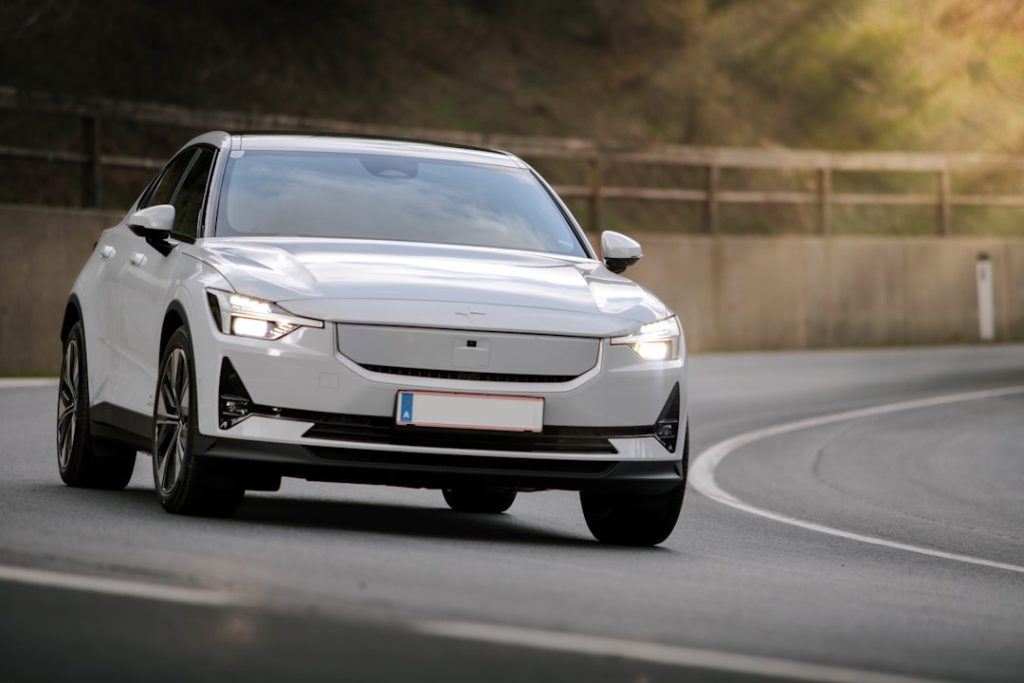
However, the deal that truly exemplifies today’s market opportunity involves a premium electric sedan with a retail price of £37,990. Current lease terms offer this vehicle for £295 monthly with just one month’s deposit plus a £200 arrangement fee, totaling £7,575 over two years. This represents extraordinary value for what many consider among the finest electric vehicles available.
What makes this particularly compelling is the 8,000-mile annual allowance – significantly more generous than the 5,000-mile limits common with budget deals. For drivers who actually use their vehicles regularly, this additional mileage represents genuine added value.
Who Benefits and Who Doesn’t
This leasing revolution isn’t for everyone, and I think it’s crucial to be honest about that. If you’re someone who drives fewer than 10,000 miles annually, keeps cars for many years, and prefers ownership certainty, leasing might not align with your priorities. Similarly, those who modify vehicles or have unpredictable mileage needs should probably stick with purchasing.
But for the majority of drivers – particularly those interested in electric vehicles – leasing offers compelling advantages. You’re protected from depreciation, which can be severe with rapidly evolving EV technology. You avoid maintenance headaches as vehicles age. Most importantly, you can access premium technology and safety features that might otherwise be financially out of reach.

The Risk-Reward Calculation
What I find most persuasive about current lease deals is how they’ve democratized access to premium electric vehicles. The monthly difference between a budget EV and a top-tier model has compressed dramatically. When the gap is just £100 monthly for significantly better technology, performance, and features, the value proposition becomes obvious.
The electric vehicle market remains volatile, with pricing fluctuations driven by government incentives, manufacturer strategies, and rapidly evolving technology. Leasing insulates consumers from these uncertainties while ensuring they always have access to current technology.
I believe we’re in a golden period for electric vehicle leasing, driven by manufacturers’ desperation to meet regulatory targets and clear inventory. Smart consumers should capitalize on these conditions while they last. The convergence of attractive pricing, improving charging infrastructure, and mature EV technology creates an opportunity that may not persist indefinitely.
For those considering the transition to electric, current lease deals represent the lowest-risk entry point into the future of motoring. The question isn’t whether electric vehicles will dominate – it’s whether you’ll take advantage of today’s exceptional terms to make that transition on favorable financial ground.
Photo by Benjamin Brunner on Unsplash
Photo by Taun Stewart on Unsplash
Photo by Eugene Kucheruk on Unsplash